

Microbial therapies improve heat-stressed coral health
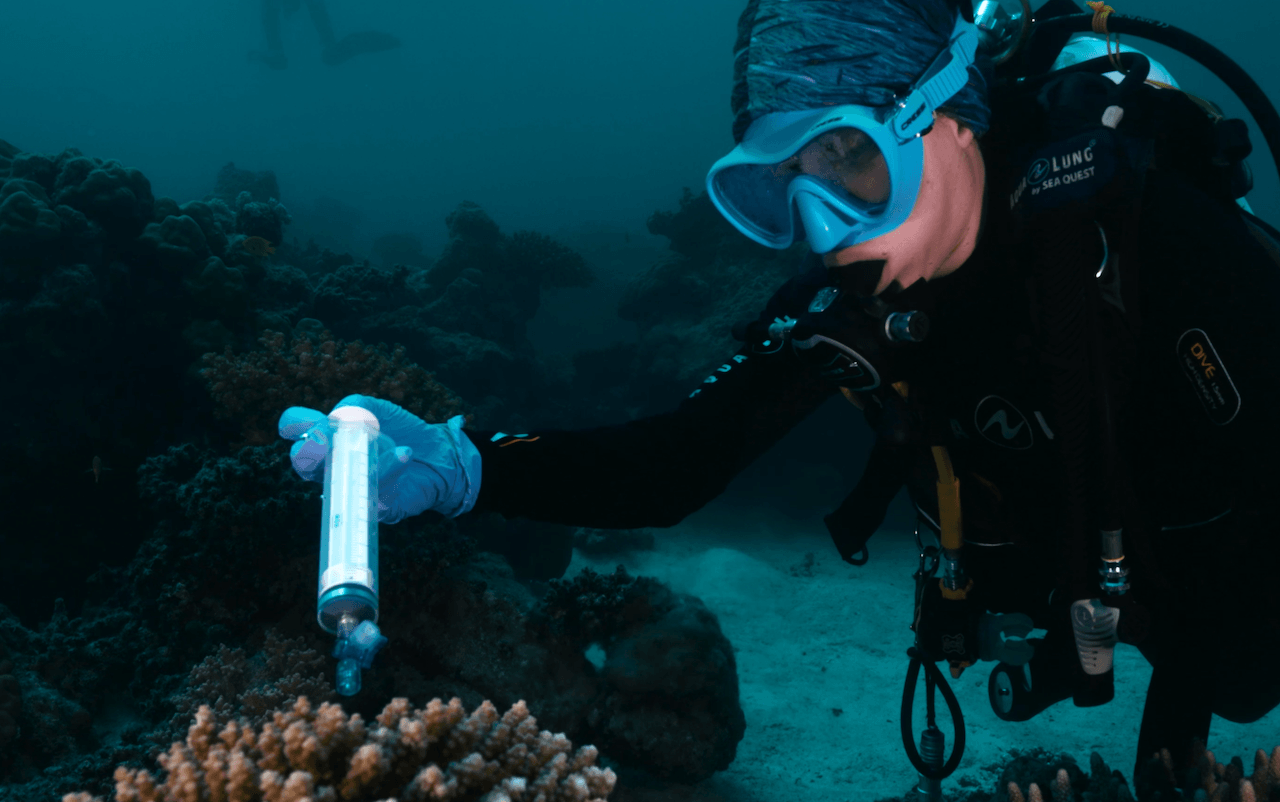
KAUST researchers are testing microbial therapies to improve the health of heat-stressed corals in the Red Sea.
King Abdullah University of Science and Technology (KAUST) researchers are demonstrating the potential of microbial therapy to improve the health of heat-stressed corals in the Red Sea, with implications for coral reef conservation globally.
A new study published in the journal Cell Reports establishes that both live probiotic and postbiotic treatments improved the health of corals under thermal stress during a natural marine heat wave.
“We want a future with coral reefs in it,” said co-lead author Erika Santoro, a KAUST postdoctoral fellow. “We urgently need to understand both the natural mechanisms that allow some corals to tolerate heat and how we can safely enhance those mechanisms.”
Corals host numerous beneficial bacteria, including types that help them adapt to their environment. The aim of microbial therapy is to restore not just the corals themselves but also the microbiomes they sustain. The probiotics used in the study are groups of living microbes obtained from healthy corals that may be applied to stressed corals.
Postbiotics, on the other hand, consist of inactivated probiotics, their bioactive components, or both. A major goal of the study was to see whether postbiotics could also boost coral health.
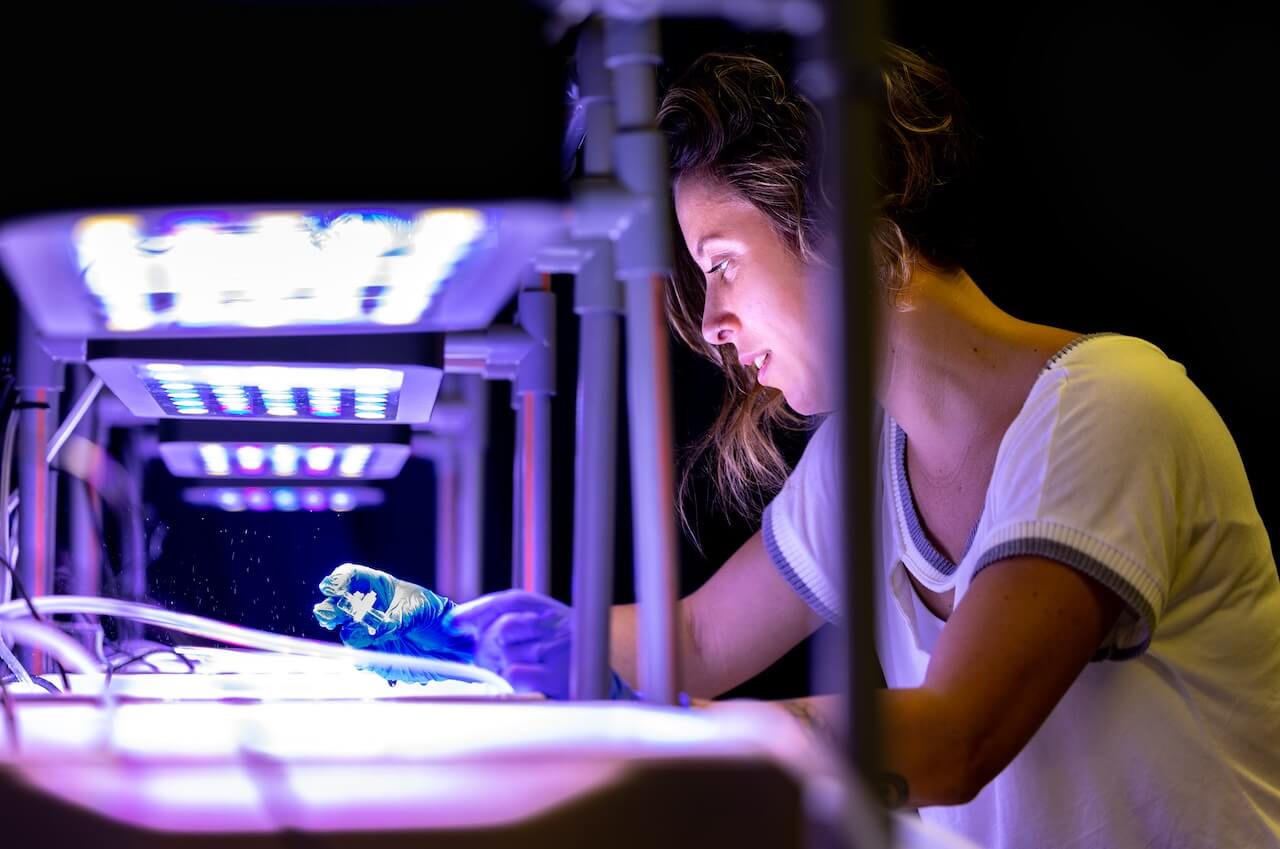
“The possibility of using postbiotics is particularly exciting when we think about scaling microbial therapies,” said Santoro. “Inactivated microbial formulations could potentially offer practical advantages, such as longer shelf life, easier storage and transportation, and reduced production costs.”
Testing treatments in a heat wave
During a summer 2022 heat wave, Santoro and her KAUST colleagues treated Acropora cf. valida coral in the central Red Sea. Throughout the 15-day field experiment, daily average seawater temperatures ranged from 30.9 C to 31.9 C. The team isolated beneficial bacterial strains from Red Sea corals to concoct two probiotic treatments and their postbiotic counterparts.
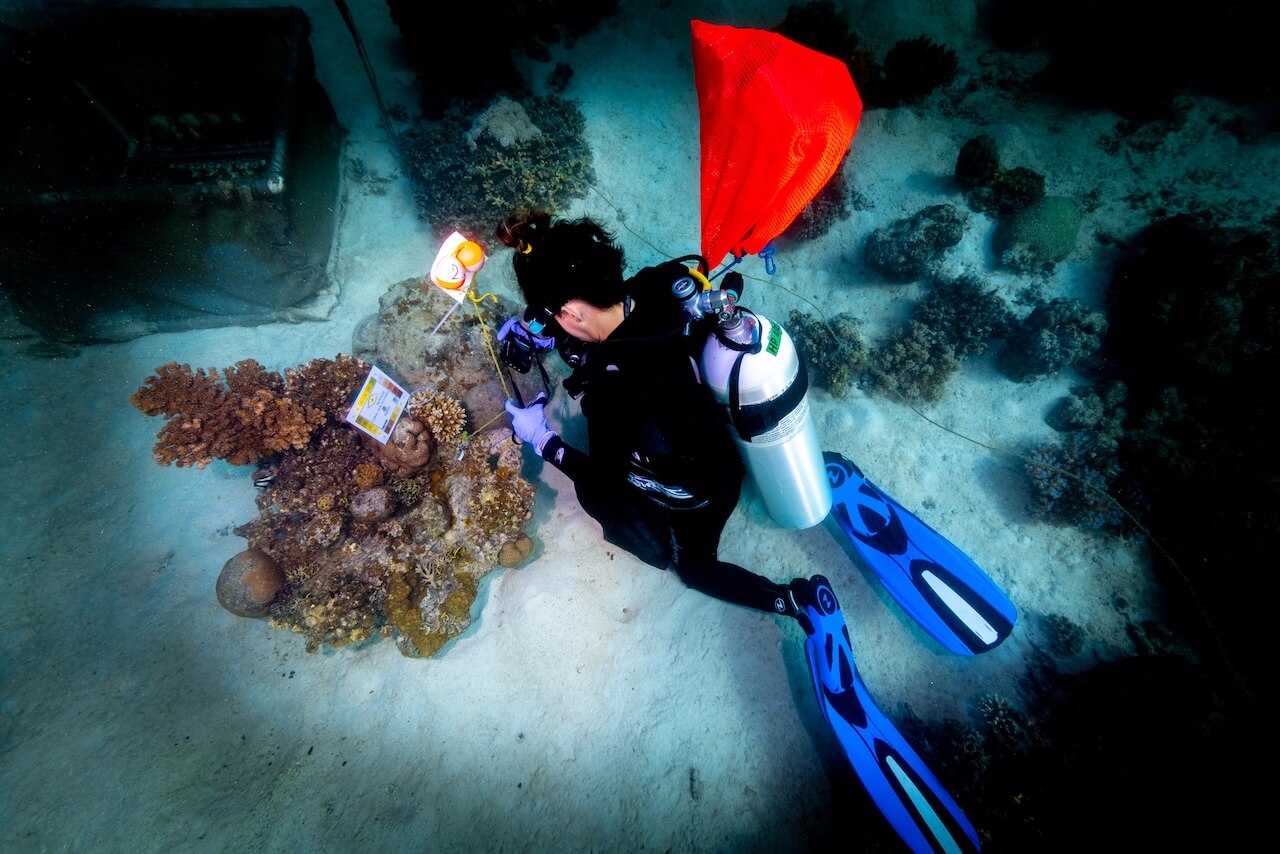
Next, they measured coral health by evaluating the animals’ colors — white or “bleached” hues indicate poor health — and the photosynthetic efficiency of the algae that live inside them. After 15 days of treatment, one of the probiotic formulas and one of the postbiotic formulas significantly improved coral health.
“When an innovative idea like this actually works — particularly under field conditions — we are positively surprised,” Santoro said. “The most exciting takeaway is that this study opens a new avenue for coral microbial therapies.”
Different microbial shifts emerged
The researchers also ran genetic and metabolic tests on the treated corals, which revealed that the probiotic and postbiotic therapies had restructured their microbial and metabolic profiles in different ways.
Specifically, postbiotic-treated corals showed an increase in strains of Cobetia, which is a type of bacterium that helps corals tolerate heat stress. While more research is needed to understand the mechanisms behind the treatments’ success, Santoro said the findings point to potential applications for coral conservation.
“We see approaches such as probiotics and postbiotics as additional tools that could help improve coral resilience and support restoration efforts, while broader actions address the causes of climate change.”