

Hidden in plain sight: DNA reveals 15 overlooked coral lineages in the Indo-Pacific
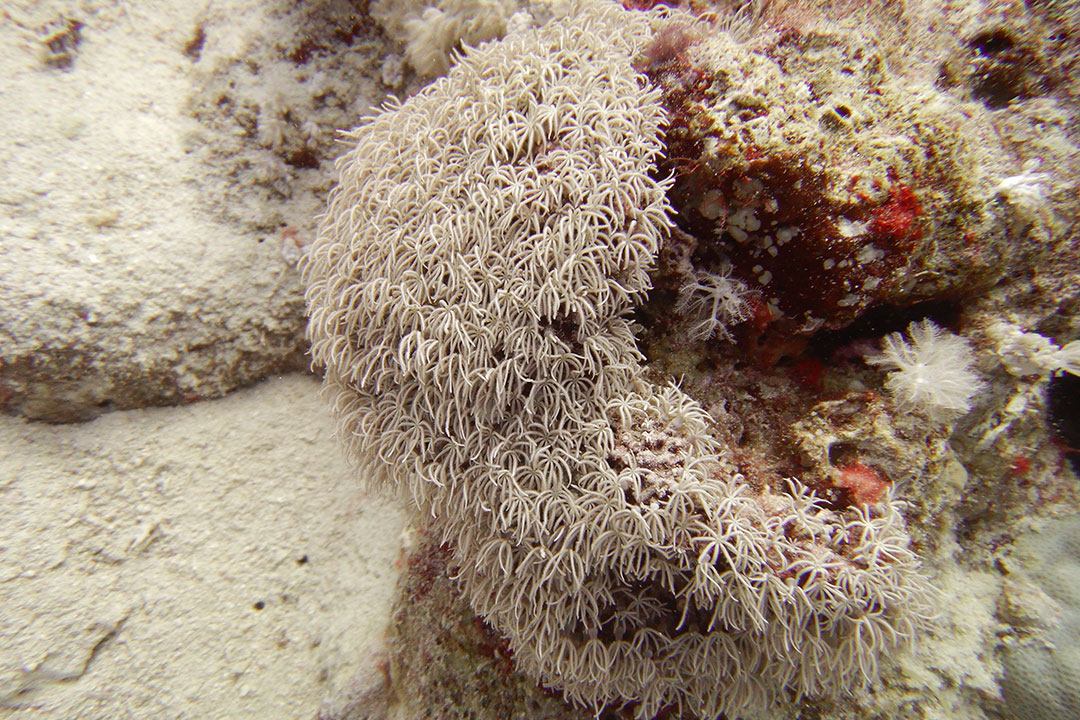
Scientists at KAUST have discovered that one of the ocean's most recognizable corals, the iconic “organ pipe coral” - long believed to be a single widespread species - includes at least 15 genetically distinct lineages. Two of these lineages are currently known only from the Red Sea.
The findings, published in Molecular Phylogenetics and Evolution, redraw the evolutionary history of a coral so familiar it's been a textbook fixture since the 1700s — and they raise a striking question: what else are we missing on the reef?
The team analyzed ultraconserved elements — slowly evolving stretches of DNA that act like genetic fingerprints. Where earlier techniques saw one species, the new analysis revealed 15 distinct evolutionary lineages, many associated with specific geographic regions rather than spread across entire oceans.
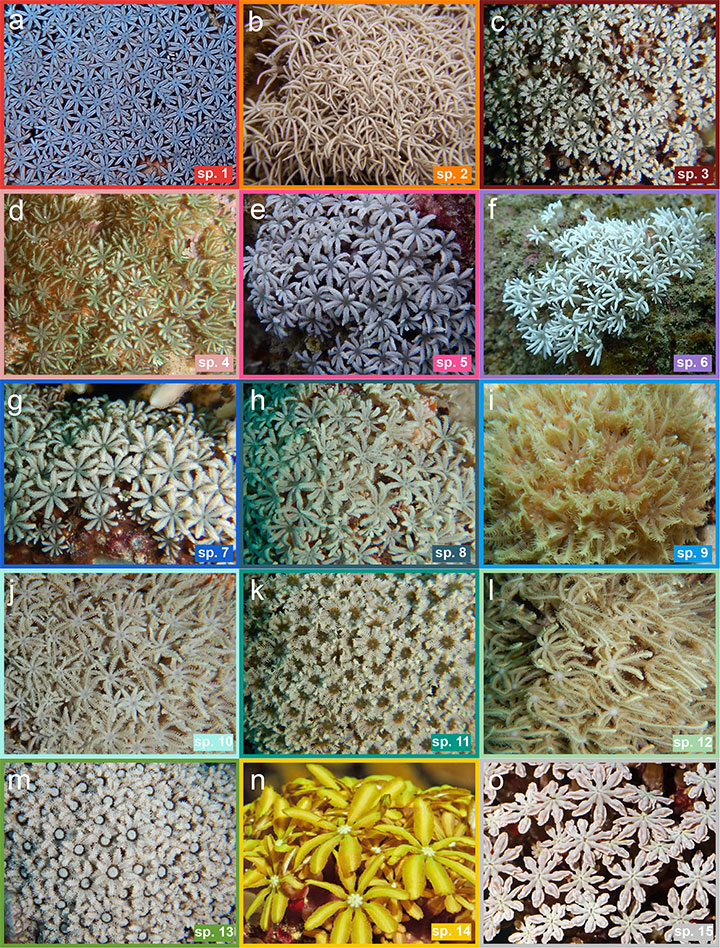
From their skeleton, these corals can look very similar, which is why their diversity remained hidden for so long,” said Dr Laura Macrina, Post-Doctoral Fellow at KAUST, who led the study. “Genomic tools now allow us to look in much more detail into their evolutionary history and understand how coral species are connected - or separated - across different regions.”
The discovery is particularly significant for the Red Sea, where researchers identified two coral lineages that appear unique to the region, adding to growing evidence that this sea is one of the planet's great cradles of marine biodiversity. Francesca Benzoni, Associate Professor of Marine Science at KAUST and co-author of the study , said the work also highlights how much marine biodiversity remains to be characterized.
“We often think the most familiar reef organisms are already well understood, but studies like this show there is still much to learn,” Prof. Benzoni said. “Some of these coral lineages may exist only within relatively small geographic areas, which makes documenting and understanding them even more important.”
The findings highlight how genomic tools are helping researchers better understand coral diversity and the distribution of reef organisms across different marine regions.
The research involved scientists from several international institutions, including the Florida Museum of Natural History, Harvey Mudd College, Ca’ Foscari University of Venice, Naturalis Biodiversity Center, OceanX, James Cook University and the University of the Ryukyus — a reflection of how genomic-era taxonomy increasingly depends on global partnerships.
The study provides a foundation for future research on coral evolution, reef biodiversity, and conservation planning in the Red Sea and beyond. The team will continue using genomic approaches to investigate coral diversity and better understand reef ecosystems over time.