

Global study reveals hidden nutritional value of shellfish and other Ocean Foods

Research provides new evidence to help shape healthier, more sustainable food systems.
The nutritional value of aquatic invertebrates such as oysters, mussels, and crabs has been significantly overlooked, according to a new study led by researchers at King Abdullah University of Science and Technology (KAUST). The findings provide one of the most comprehensive assessments to date of the nutritional contribution of aquatic invertebrates, along with new evidence to better understand their role in human nutrition and help inform more sustainable fisheries, aquaculture, and food-system planning.
Published in Nature, the study examined 30 nutrients essential for human health and found that current global production of aquatic invertebrates contains enough vitamin B12 and selenium to meet the equivalent annual requirements of more than five billion people. Current invertebrate production also supplies enough iodine, zinc, copper, and omega-3 fatty acids to meet the annual requirements of more than one billion people, highlighting the important role these foods already play in global nutrition and why we should be paying more attention to their sustainability.
Aquatic food systems are typically evaluated by the amount of food they produce rather than the nutrients they provide. The researchers say a better understanding of nutritional value can help ensure nutrition is at the forefront of discussions, so future food systems deliver both healthy diets and sustainable use of marine resources.
"For far too long, we have measured success of aquatic food systems in tones of production, rather than in the nutrients they deliver to people," said Jessica Zamborain-Mason, lead author of the study and assistant professor of Marine Science at KAUST. "Our research shows that aquatic invertebrates make a much greater nutritional contribution than many people realize. By bringing nutrition alongside sustainability into decisions about fisheries,aquaculture and broader aquatic food systems, we can better understand the full value of these foods and better protect and sustainably manage them."
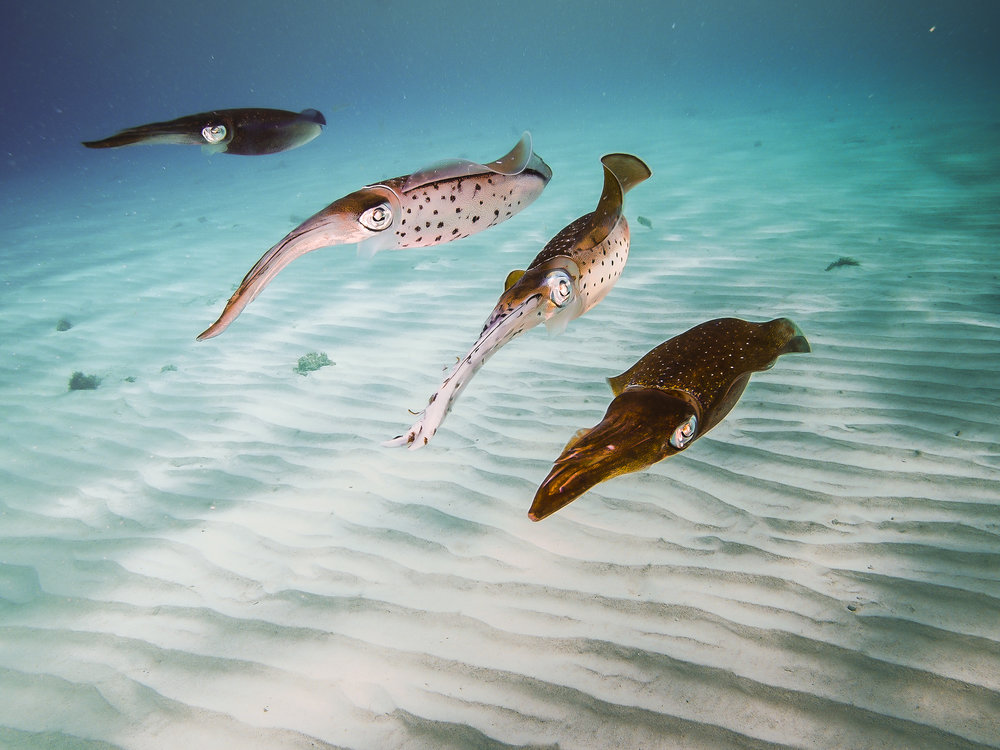
Photo credit: Jeff Hester / Ocean Image Bank.
To conduct the study, researchers compiled nutritional data from hundreds of aquatic invertebrate species and developed predictive models to estimate the nutrient content of more than 50,000 potentially edible species. The resulting dataset allows people to start accounting for nutrition within broader socio-ecological objectives and provides the means to put aquatic invertebrates at the forefront of current and future nutrition-security discussions.
The nutrient estimates generated through the study will also be integrated into SeaLifeBase, one of the world’s largest online databases of marine species, giving researchers and policymakers around the world access to new data on the nutritional value of aquatic foods. The analysis revealed that aquatic invertebrates contribute to disproportionately high levels of key micronutrients relative to the amount produced. In aquaculture, for example, invertebrates account for only around one-third of production by weight but provide more than half of the supply of nutrients such as iodine, vitamin B12, vitamin C, and iron.
The study also highlights that the way aquatic foods are processed can influence their nutritional value. For example, 100 grams of dried invertebrates often have higher mineral concentrations than raw tissue, creating opportunities to maximize nutritional value through product development while reducing waste.
The researchers emphasize that the findings are not a call to harvest more aquatic species. Instead, they provide a stronger evidence base for considering nutrition alongside sustainability when managing fisheries, expanding aquaculture, or examining aquatic food systems. “Many aquatic invertebrates around the globe are data-poor or un-assessed in terms of sustainability. Our work emphasizes the need to better protect, monitor and assess these resources, as they, together with other aquatic foods, can be a key in achieving current and future nutrition security” added Zamborain-Mason.
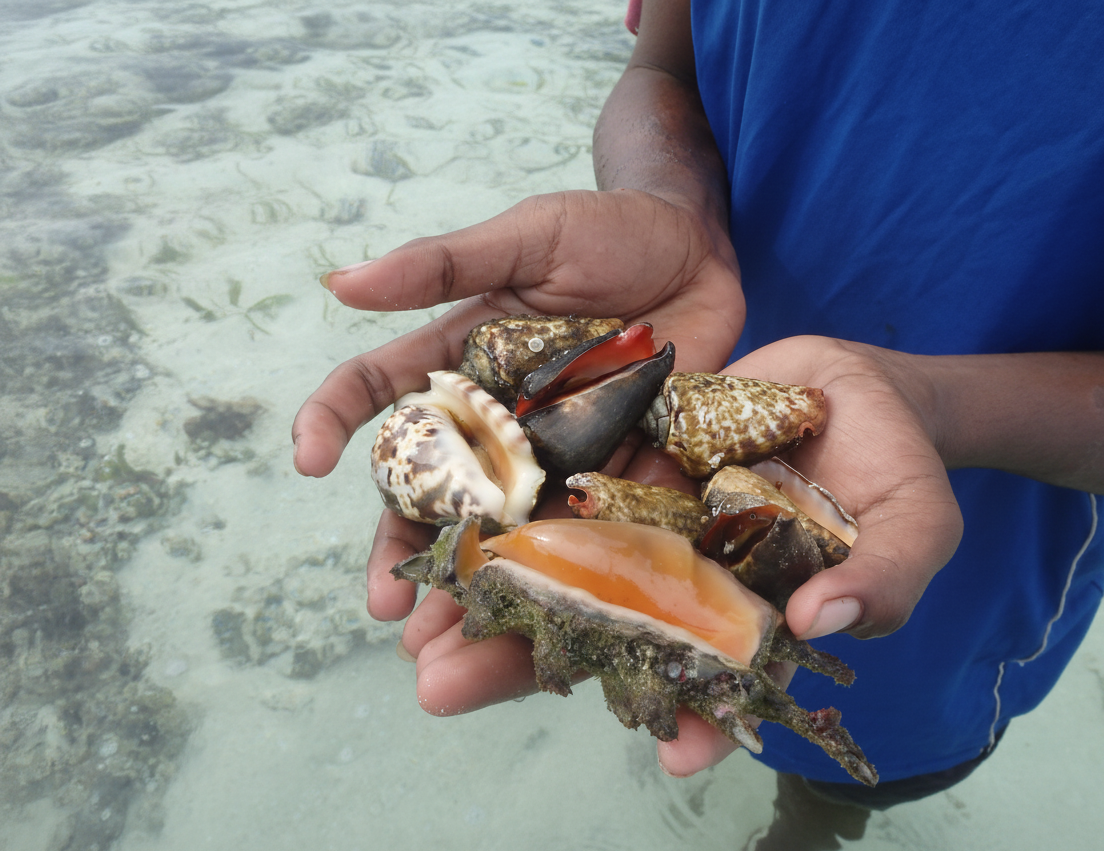
Photo credit: Jessica Zamborain Mason.
The team hopes the research will help governments, industry, and international organizations incorporate nutrition more fully into fisheries, aquaculture, and food system policy, while also identifying important gaps where further research or nutritional data are needed.
As countries seek to build more resilient food systems, the researchers say understanding what food is produced is only part of the picture. Equally important is understanding the nutrients that food provides.