

Computer science study reveals potential privacy risk in virtual reality headsets
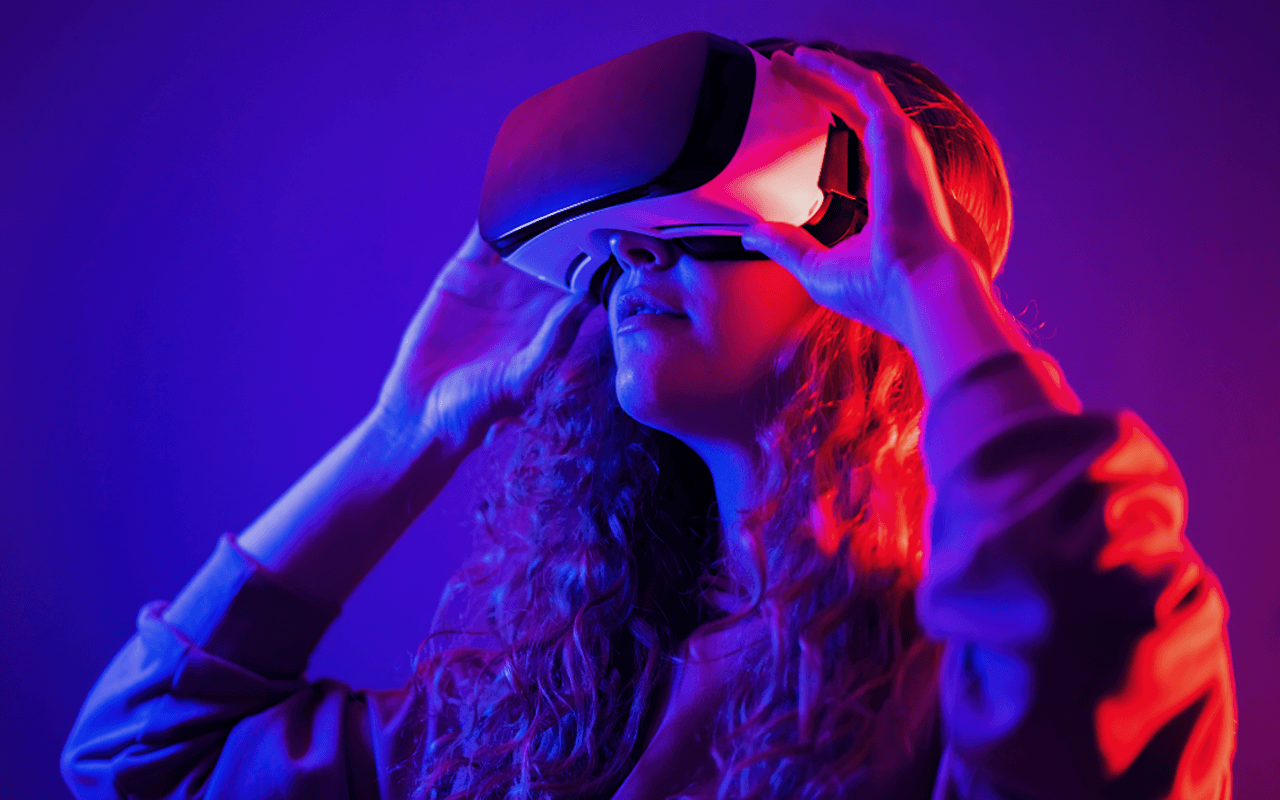
Researchers at KAUST have demonstrated that motion sensors already built into commercial virtual reality (VR) headsets can capture subtle physiological signals associated with users’ visual responses. Using artificial intelligence, the team showed that these signals could be used to reconstruct brain-related information associated with visual perception, revealing a previously unknown privacy consideration for immersive technology.
VR headsets rely on motion sensors to track movement and create immersive digital experiences. These sensors are generally accessible to applications running on the device, meaning a malicious app or webpage could potentially collect motion sensor data and infer sensitive information without a user's knowledge. The findings raise important questions about how personal data is protected as immersive technologies become more widely used across gaming, education, healthcare and remote collaboration.
Previous studies have shown that VR sensor data can reveal behaviors such as typing, speech patterns, and application usage. This study goes further by demonstrating that motion sensor data may also contain brain-related information associated with visual perception, expanding the range of privacy risks that researchers and platform developers must consider.
"The sensors inside today's VR headsets were not designed to capture sensitive personal information, but our research shows they may reveal more than previously recognized," said Tao Ni, assistant professor of Computer Science at KAUST and lead author of the study. "As immersive technologies continue to evolve, understanding these risks is essential to ensuring privacy and security protections keep pace with innovation."
The team developed a system called BRAVESPY and tested it across several commercially available VR headsets. The system analyzed motion sensor data to identify patterns associated with user interactions, demonstrating that information beyond simple movement tracking may be extracted from existing devices.
The researchers emphasize that the purpose of the work is to help identify potential security weaknesses before they can be exploited. In addition to identifying the vulnerability, the study proposes practical measures that could reduce the risk of sensitive information being inferred from sensor data. These include stronger permission controls, improved management of sensor access, and technical approaches that limit the amount of information available to applications.
The work also highlights the potential for existing VR hardware to support more accessible, low-cost brain-computer interfaces in the future, with possible applications in healthcare, education, and human-computer interaction.
The findings could help inform future privacy standards for immersive technologies as adoption continues to grow across consumer, industrial, and professional applications.
The findings were presented at the IEEE Symposium on Security and Privacy (IEEE S&P), widely regarded as one of the world's leading cybersecurity conferences.