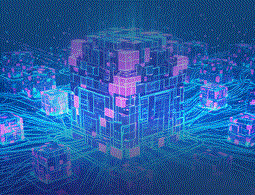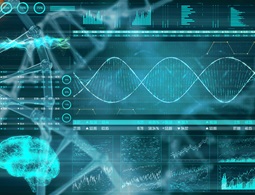
Can AI finally bring order to biology’s data deluge?
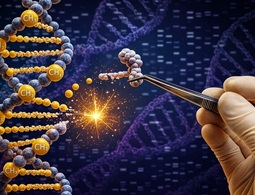
How a "Super Transformer" model could unify genomics, imaging and cellular data — and help biologists see the whole.
How a "Super Transformer" model could unify genomics, imaging and cellular data — and help biologists see the whole.
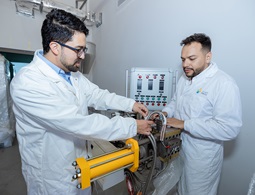
Robust semiconductor enables devices to operate close to absolute zero, with potential applications in space missions and quantum computing.
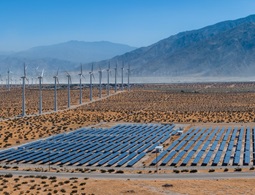
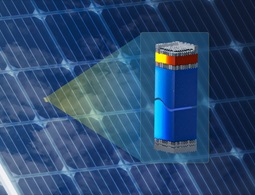
Accounting for weather extremes is essential for designing reliable renewable energy systems in hot, arid regions.
A new genomic approach is helping improve crop resilience.
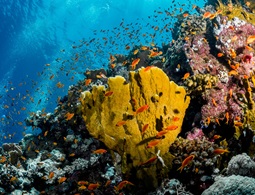
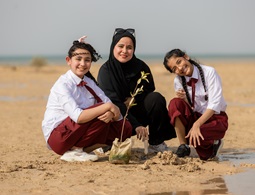
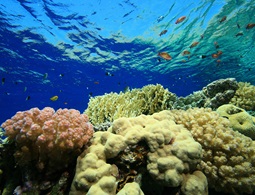
KAUST researchers are testing solutions that may shape how coral reef systems weather the century ahead.
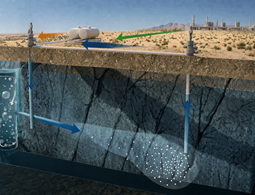
By recirculating groundwater, carbon emissions can be mineralized without additional water, enabling subsurface carbon dioxide storage in arid regions.
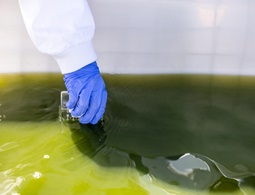
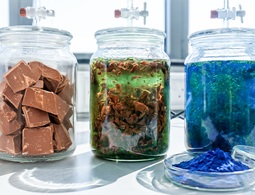
Harvesting and processing micro- and macroalgae hold versatile industrial applications and could help meet food security and carbon neutrality goals.
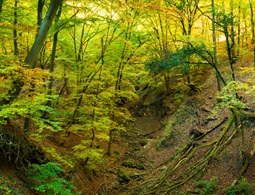
Despite scientific debate, protecting and restoring natural forests is essential for global climate mitigation and adaptation.
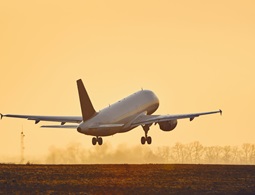
AI-assisted search rapidly pinpoints high-performance catalyst for direct CO2-to-jet fuel conversion.
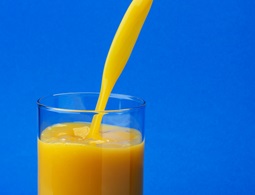
Vanillin and thymol replace fossil-based solvents to produce a fully bio-based ultrafiltration membrane that can clarify fruit juices.