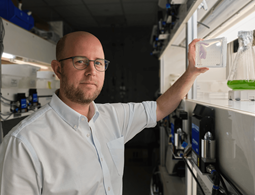
Tiny algae have huge potential for Saudi Arabia’s bioeconomy
A purpose-built lab is enabling bioprospecting for local strains of microalgae and helping to shape the future of Saudi Arabia’s algal biotech industry.
A purpose-built lab is enabling bioprospecting for local strains of microalgae and helping to shape the future of Saudi Arabia’s algal biotech industry.
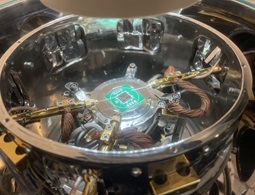
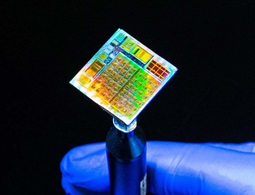
A proton-driven approach that enables multiple ferroelectric phase transitions sets the stage for ultralow power, high-capacity computer chips.

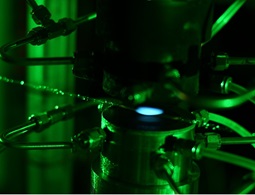
Laser experiments reveal how high voltage affects charged ions in burning fuel.
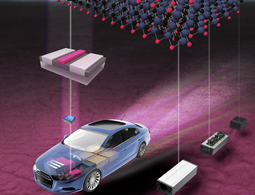
Using a two-dimensional material to electrically connect to high-power semiconductor transistors improves device performance.
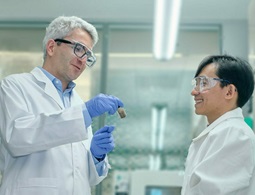
High-strength but low-density mesh-like polymers with applications in adsorption are synthesized using a simple new method.
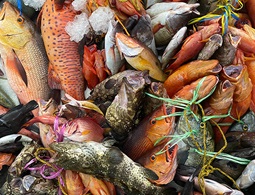
A tool that places fish on a scale of sustainability could help Saudi Arabia protect species at greatest risk of overexploitation.
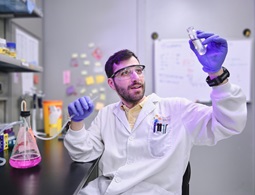
Tiny packets of molecular cargo shed by cancer cells seed the foundations for metastasis at distant sites in the body.
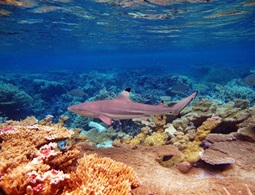
Surprising changes to a Pacific Ocean current during one of the strongest recorded El Niños saved a remote island’s coral reefs while others were devastated by mass bleaching.
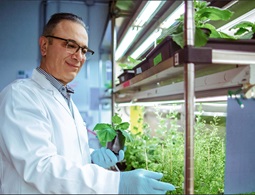

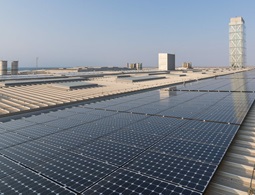
Weather variability and extreme events affect the optimal design and operation of renewable energy systems, particularly for striking a trade off between life cycle cost and carbon dioxide emissions.

Light-sensitive memory elements that can be programmed optically offer promise for more efficient real-time image analysis.
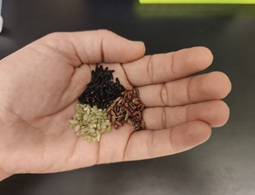
Fundamental research offers opportunities for new varieties of pigmented rice and a resource to address malnutrition.
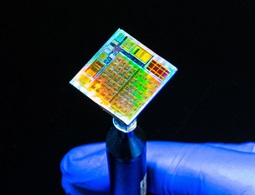
The first demonstration of a functional microchip integrating atomically thin two-dimensional materials with exotic properties heralds a new era of microelectronics.