Understanding the intelligence of decision making
New research into how humans and animals use complexity to make decisions offers some tantalizing insights into the nature of intelligence.
New research into how humans and animals use complexity to make decisions offers some tantalizing insights into the nature of intelligence.

A residual-based approach that detects and corrects voltage and frequency anomalies could protect power grids against covert cyberattacks.

Hydrogels that mimic natural environments help to reveal cellular intricacies often missed in traditional lab studies.
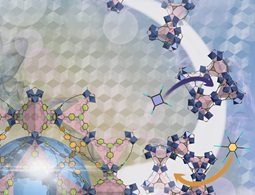
Metal-organic frameworks with designer windows show exceptional gas storage capability.

A data-driven modeling system that reconstructs oceanic circulation of the Red Sea highlights the importance of developing region-specific historical datasets.

Marine ecosystem models should account for vast fluctuation in dissolved oxygen.

Mutations on a key SARS-CoV-2 viral protein are linked to extreme immune responses and could offer a novel vaccine target.

Degraded arid lands could be revegetated and used for long-term carbon storage.
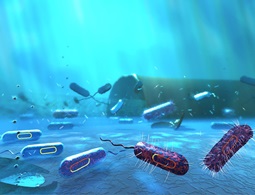
A complex interplay of factors influences the spread of superbug genes during wastewater treatment and reuse.
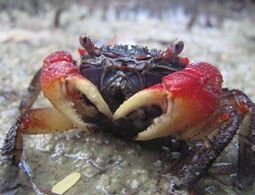
The role that seabed species and plants play in mixing sediments in mangroves could help to support responses to ecosystem stress and to aid regeneration.

Applying a penalty for increasing complexity provides better control over flexible statistical models.

A simple enzymatic pathway taken from fungi can enhance the production and storage of provitamin A in crop plants.