

Solar cells: a solution for better crystals
A fast and cost-efficient fabrication process for high-quality perovskite crystals bridges the gap to silicon.
A fast and cost-efficient fabrication process for high-quality perovskite crystals bridges the gap to silicon.
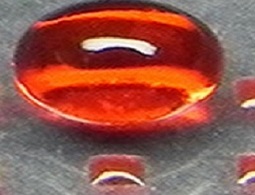
An inkjet-printed surface can turn fog into drinking water using bio-inspired micropatterning and adhesion technology.
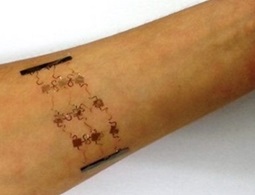
Smart, stretchable pads open up a new approach for thermotherapy.
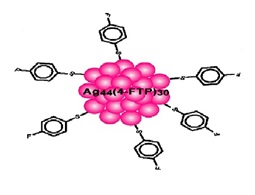
Replacing the organic molecules surrounding atomically precise silver nanoparticles prepares them for practical applications.

An underwater landslide triggered by the 2011 earthquake in Japan may have exacerbated the resulting tsunami.

The discovery of the incandescent light bulb has transformed human existence. New LED technologies promise to be the next step forward.
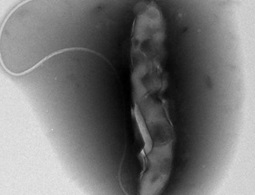
Whole-genome sequencing of the bacterium responsible for a cholera outbreak reveals a population structure missed by traditional methods.
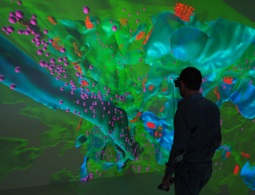
A new collaboration could lead to supercomputers emulating the efficiency of the brain.
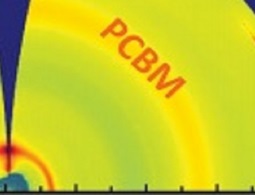
Electron-rich organic polymers boost power conversion in solar cells.
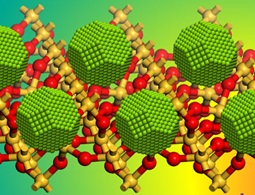
Researchers reveal a low-impact synthetic strategy for producing supported small nickel nanoparticles – a powerful catalytic form of the metal.
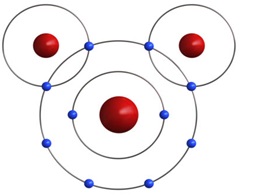
Producing hydrogen from water is improved by creating an orderly catalyst.
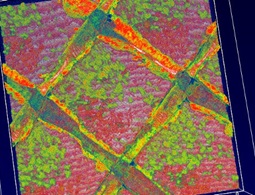
A leader in desalination science, TorOve Leiknes gives water treatment research in Saudi Arabia a major boost.
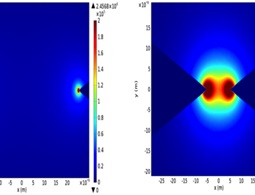
Sustainable energy generation boosted by a nanoscale device that converts thermal infrared radiation to an electrical current.

State-of-the-art facilities and world-class research projects give rise to thriving start-up companies based at KAUST.
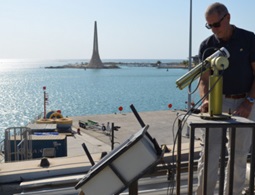
KAUST’s Earth Science and Engineering Program is underpinned by a drive to develop sustainable ways to get the best from natural resources and quantify environmental hazards.
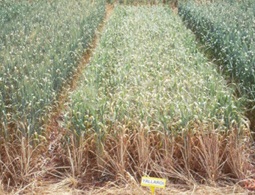
KAUST Center for Desert Agriculture leads research to improve crop yields from desert soils.
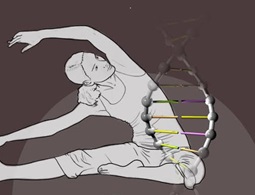
Evolution has left alone the protective functions of noncoding sequences of the human genetic blueprint.
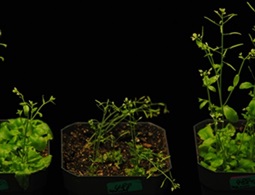
Discovery of the molecular mechanism by which a protein confers salt tolerance in plants could boost crop yields in high-saline soils.
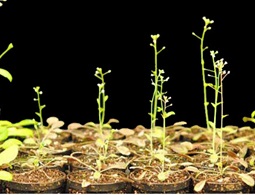
Resistance to a popular herbicide provides insight into the control of a key biosynthetic pathway.
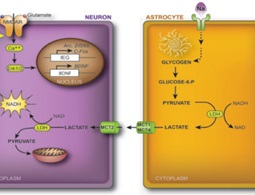
Lactate plays an unexpected role in brain function.