

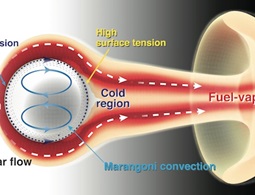
Spreading the flame
Simulations reveal the final moments of a fuel droplet as it combusts in a spray injection engine.
Simulations reveal the final moments of a fuel droplet as it combusts in a spray injection engine.
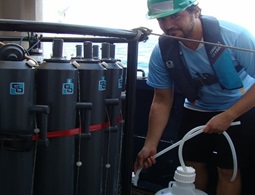
Elevated bacterial populations in waters near beaches and urban areas could pose a problem for desalination plants.
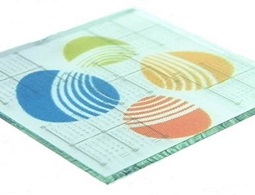
Performance improvements of indium zinc oxide transistors could lead to enhanced transparent displays for screens and phones.
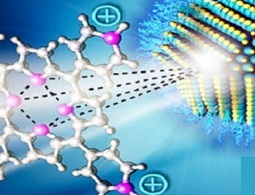
Quantum dots improve the performance of cost-effective, solution-processed solar cells.
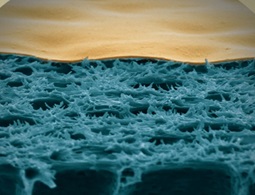
A material for filtration that is easy and cheap to produce could aid water treatment, solvent filtration and membrane-catalysis.
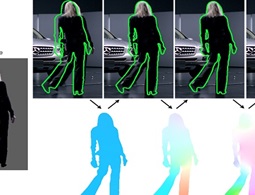
A surprisingly simple algorithm helps computers perceive individual objects inside videos from their movement patterns.
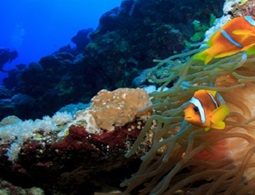
Some coral reef fish species don’t settle very close to home.
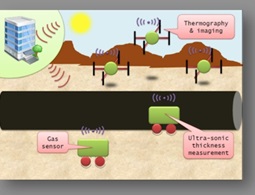
An improved wireless communication protocol enables more robust links between remote electronic devices.
Specialized word search method sheds light on phenotypic similarity of diseases.
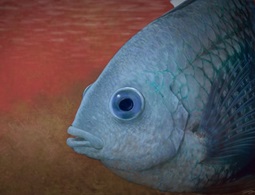
A coral reef fish can acclimate to warm temperatures in just two generations.

Identifying noise in communication signals helps to filter out glitches and improve transmission quality.
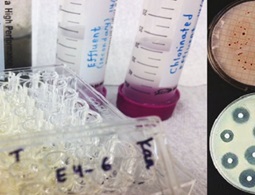
Treated wastewater may be suitable for some irrigation uses, but antibiotic-resistant microbes could be cause for concern.
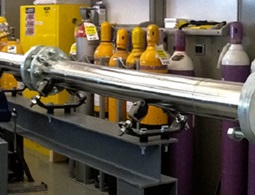
A fast computational method optimizes sensor measurement networks for noisy, sparsely observed environments.
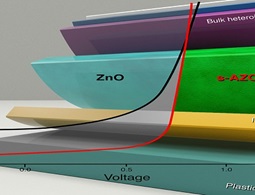
An oxide layer optimized to selectively transmit electrons can improve the efficiency of organic solar cells beyond 10 percent.
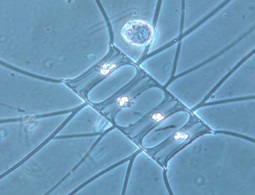
A look at life in the depths of the ocean reveals an efficient system of pumping carbon out of the atmosphere.
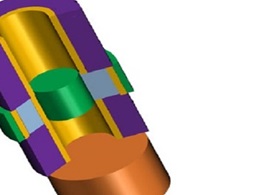
Transistor designs based on nanotubes could considerably reduce the power demands of computers.
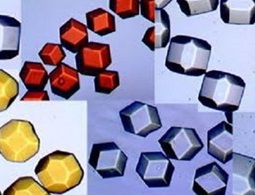
Making the pores of metal-organic frameworks smaller could open up new opportunities in gas separation techniques.
A tiny device broadens the bandwith to enable absorption with wide-reaching potential for electrical engineering.
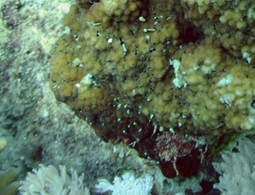
A coral named for KAUST could provide a glimpse of future reef conditions under climate change.
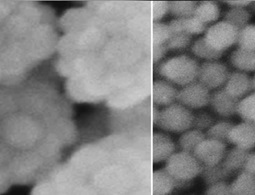
Tiny carriers assembled from oppositely charged nanoparticles open to release their cargo under light exposure.