


Electric fields tame the flame
A clearer understanding of how flame is affected by electric fields paves the way for advanced electrically assisted combustion technology.
A clearer understanding of how flame is affected by electric fields paves the way for advanced electrically assisted combustion technology.
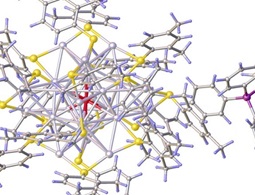
Altering a single atom in a silver nanocluster considerably changes its properties, creating an exciting opportunity to design these clusters.
Adjusting the cooking time is all it takes to tune the magnetic properties of these multi-functional iron nanowires.
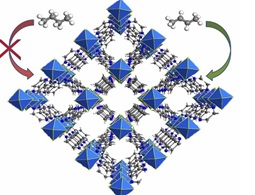
The efficient purification of propylene using a fine-tuned porous material delivers advances in petrochemical production.

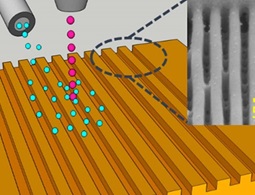
Adding a gas enhances the processing of hybrid organic-inorganic materials for improved solar cells.
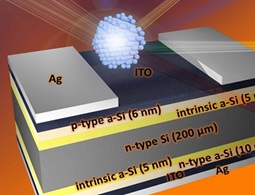
Graphene quantum dots can improve the efficiency of silicon solar cells.
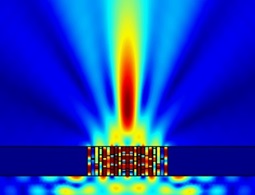
Carefully-designed meta-surfaces are used to build acoustic lenses that can transmit highly focused sound waves.
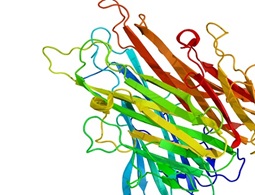
Existing systems for predicting protein structure are outperformed by a newly developed method.
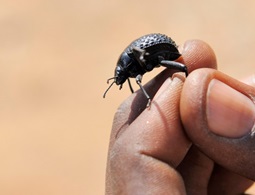
Biology has inspired new ways to harvest and collect water.

A statistical model that accurately describes rainfall at both extremes opens the way for more reliable predictions of flood and drought risk.
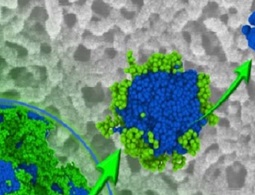
Innovative chemistry has produced synthetic membranes with improved properties for industry, research and biomedicine.
Combining methods for water desalination results in low-cost, highly efficient water production.

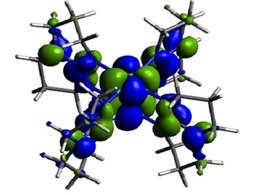
A new understanding of why tungsten-doped thin films degrade so rapidly in air may lead to better designs for semiconductor technologies.
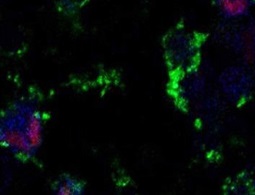
Zinc oxide (ZnO) nanoparticles may help destroy difficult-to-treat triple-negative breast cancer tumors.
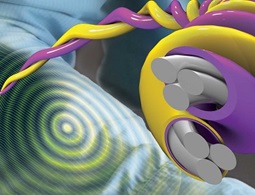
Smart threads can be woven into pressure-sensitive electronic skin for robots or medical prosthetics.
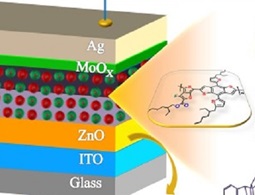
Understanding the dynamics of electrons in polymers will enable more efficient solar cells.

Ocean cruise studies input of PAHs from the atmosphere into the ocean.
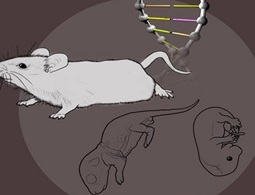
Small non-coding RNAs thought to be found in testes are also present in the adult mouse brain.