

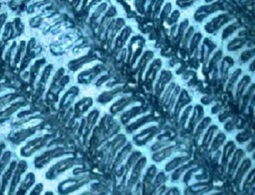
Warming to a new direction for perovskites
Controlling the orientation of hybrid perovskite crystals offers large-scale structural purity and new properties.
Controlling the orientation of hybrid perovskite crystals offers large-scale structural purity and new properties.
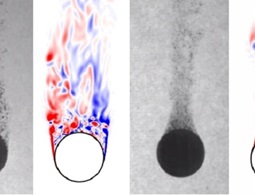
Plunging hot spheres into viscous liquids reveals a way to reduce fluid resistance without complex engineering procedures.
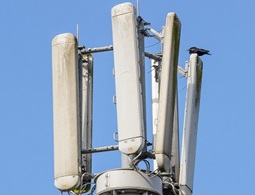
An efficient wireless signal optimization scheme achieves peak performance for next-generation mobile communications.
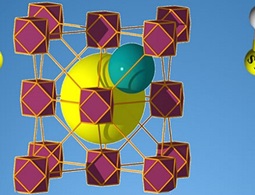
Tunable porous MOF materials interface with electrodes to sound the alarm at the first sniff of hydrogen sulfide.
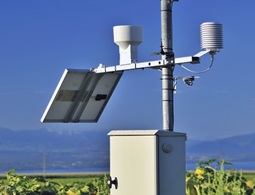
A statistical model that accounts for common dependencies in spatial data yields more realistic results for studies of temperature, wind and pollution levels.
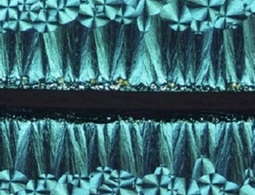
Varying the thickness of crystallizing materials facilitates control over the patterns and properties of crystals.
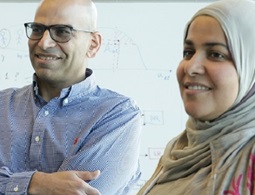
Autonomously pairing network users could expand the capability of the next generation of wireless networks

A statistical technique for automatically cleaning erroneous data from weather-balloon observations will improve the accuracy of weather forecasting.
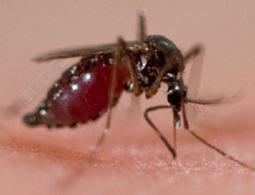
Africa now joins Southeast Asia in hosting parasites partially resistant to the first-line antimalaria drug, artemisinin.
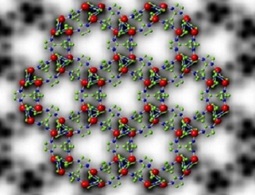
Highly sensitive electron cameras allow researchers to see the atomic structure of metal-organic frameworks.
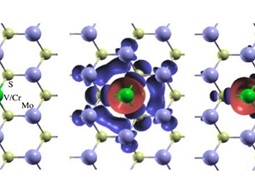
Access to valley-polarized charge carriers by magnetic doping could transform electronics.
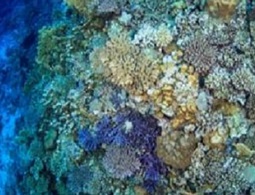
Genome sequences of dinoflagellate algae indicate how they maintain their symbiotic relationship with corals.

Studying dusty air, especially in the Middle East, which is part of the Earth’s notorious dust belt, has both local and global significance.
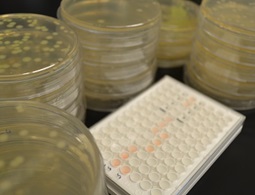
An antibiotic resistant strain of bacteria found circulating in Jeddah’s municipal wastewater could have severe implications for public health.
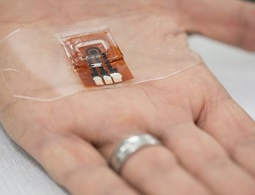
Inscribing porous, carbonized patterns into a polymer creates sensitive electrodes that detect biological molecules.
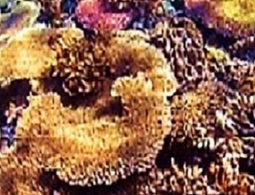
The close association between corals and bacteria may help protect coral from heat stress and bleaching.
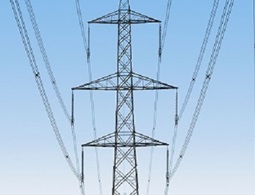
A new approach to analyzing household electricity: smart-meter data could improve the performance and efficiency of national power grids.
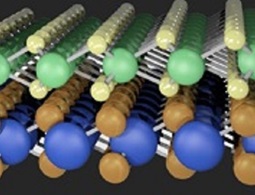
A simple model is shown to accurately predict the electronic properties of a combination of 2D semiconductors.

Sensitive detection of partial faults in antenna systems could prevent performance degradation in wireless networks.

A gene-editing method shows promise for using targeted gene-replacement therapy in living organisms.