

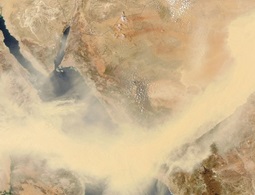
Going to extremes to predict natural disasters
A systematic approach to selecting and configuring statistical models improves predictions of extreme events.
A systematic approach to selecting and configuring statistical models improves predictions of extreme events.
Insights into the thermal behavior of metal-nitride nanowires could open new avenues in optical electronics.
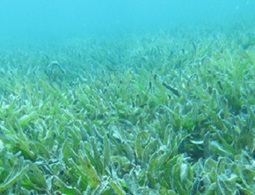
Protection zones for coasts and oceans are an effective way to help marine and human communities to adapt to climate change.
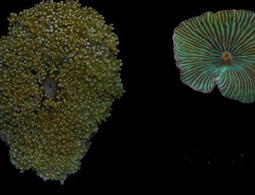
The genome sequences of two "false" corals offer a window into the evolution of calcification, which may help their reef-building cousins.
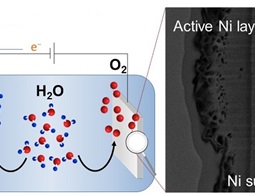
A simple treatment of nickel to make it an efficient catalyst for water splitting.
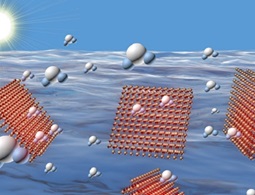
A floating membrane that uses sunlight to evaporate water shows potential for water purification.
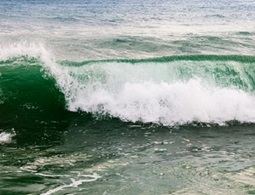
Wind intensities and wave heights in the Red Sea are decreasing over time—potential for a significant impact on its ecosystem.
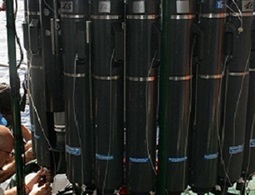
Data from a global oceanographic expedition predict how rising temperatures influence increase in plankton populations.
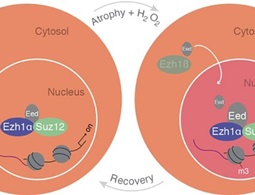
Two proteins produced by a single gene interact to keep the genome in check.
The movement of DNA molecules seemingly explained by random motion conceals a more orderly march.
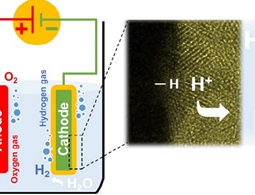
A coating of molybdenum improves the efficiency of catalysts for producing hydrogen.
A unique investigation highlights how excess nitrogen can trigger coral bleaching in the absence of heat stress.
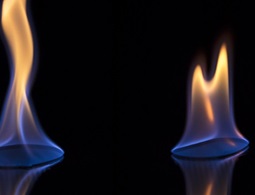
Car manufacturers could clean up vehicle exhausts using a new model of gasoline combustion developed using experimental data.
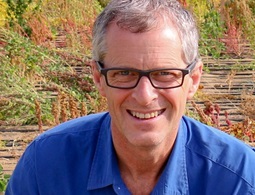
Passionate plant scientist Mark Tester conducts ground-breaking research into plants that could one day help feed the world.
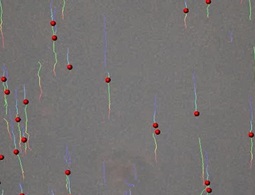
The surface proteins responsible for navigating immune cells to sites of inflammation are identified.
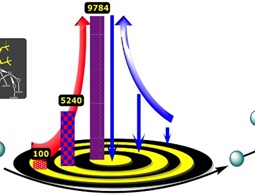
Tungsten and titanium compounds join forces to turn a common alkane into other hydrocarbons.
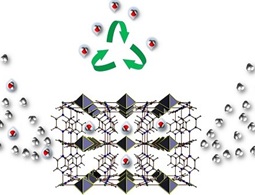
A breakthrough in generating water-stable metal-organic frameworks allows efficient removal of water from gases.
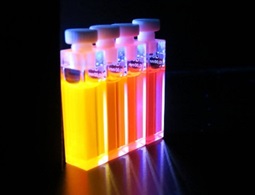
Conjugated polymers designed with a twist produce tiny, brightly fluorescent particles with broad applications.
A remarkable collaboration, drawing parallels between human and animal ecology, uses data from smartphones to protect vulnerable species.
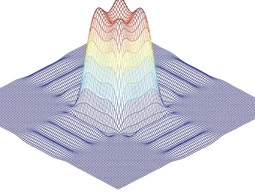
A new method for shaping the waveform generated by multi-antenna radar systems is inexpensive and practical.