

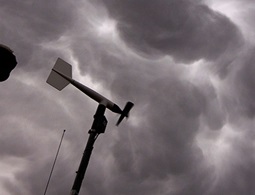
Letting the data speak for itself
A new statistical approach for environmental measurements lets the data determine how to model extreme events.
A new statistical approach for environmental measurements lets the data determine how to model extreme events.
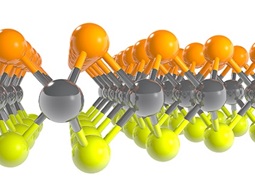
Introducing asymmetry across the two sides of atomically thin materials brings new opportunities in semiconductors.
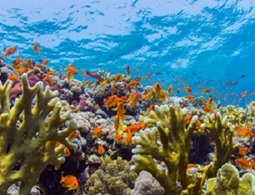
Coral ecosystems may be able to adapt rapidly to climate change through natural plastic responses.
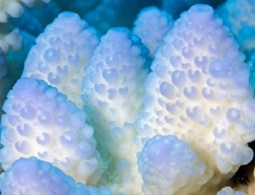
When faced with high salinity, the tiny plant cells within coral tissue alter their metabolites to better cope with stress.
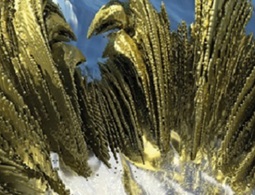
Metallic nanostructures that slow down light dramatically can triple the efficiency of solar-based hydrogen fuel generation.

Photosensitive perovskites change shape when exposed to light.
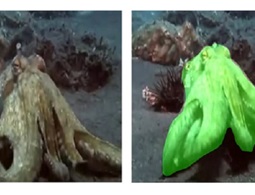
A faster approach for computer detection of moving objects in video takes us a step closer to mimicking the reflexive detection ability of the animal visual system.
Smartphones put state-of-the-art 3D particle tracking in the hands of the masses.
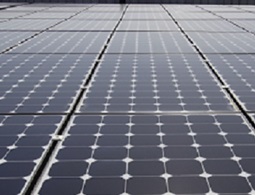
Flatter materials have fewer imperfections, which makes for better solar cells and light sensors.
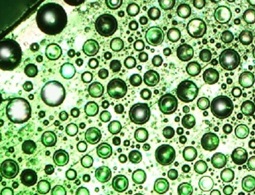
Surface wettability has little effect on atmospheric water gathering, but edge structure is crucial.
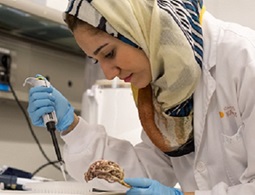
Herbal remedy plants native to Saudi Arabia are shown to have potential as treatments for cancer.
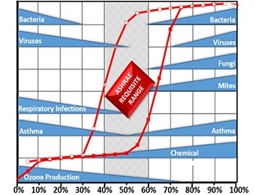
Dual-functioning MOF material autonomously ensures indoor humidity is just right.
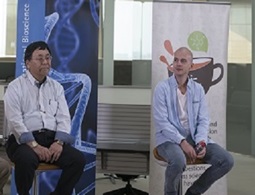
Sifting through huge amounts of data may bring better understanding of whale shark social structures, protein targets for drug therapies and disease-causing genes.
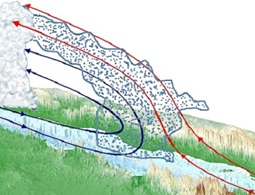
Modeling leads to a better understanding of the role El Niño plays in increasing rainfall along the coast of the Red Sea.
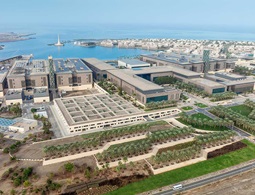
A nature-based technique paves the way for cheaper and environmentally friendly liquid-repellent materials.
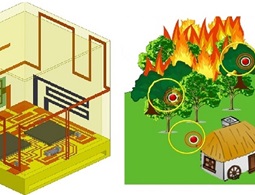
3D-printed, disposable sensors capable of detecting noxious gases and changes in temperature and humidity could revolutionize environmental monitoring.
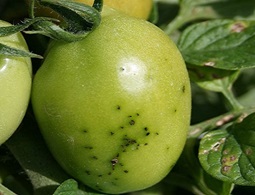
Plants can reprogram their genetic material to mount a defensive response against pathogens, which may have applications for agriculture.
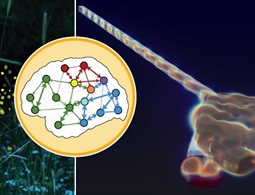
Synchronized emissions from innovative on-chip lasers create possibilities for inexpensive artificial neural networks.
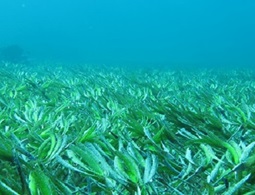
Mangroves, seagrass meadows, seaweeds and saltmarshes, the forests of the sea, perform a vital and often overlooked role in storing carbon and mitigating the effects of climate change.
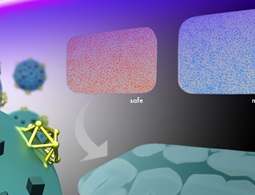
Spiky-shaped additives help antimicrobial coatings sense and inhibit bacteria growth on dental devices.