


Flexible batteries a highlight for smart dental aids
Redesigned lithium-ion batteries could help improve the efficiency of orthodontic devices.
Redesigned lithium-ion batteries could help improve the efficiency of orthodontic devices.
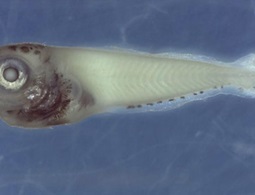
A combination of morphological and molecular approaches gives researchers a first glimpse of Red Sea larval fish communities.
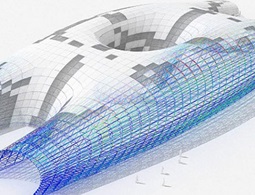
A new computational framework marries ideas from computer graphics with civil engineering to reduce times and costs of constructing frame-based structures.

Wind turbines suspended high in the sky have potential as an alternative power source for Saudi Arabia.

Microbes are dispersed widely over the oceans with islands acting as stepping-stones to help transport of land-based organisms.
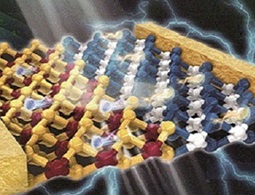
The side-by-side deposition of atomically flat semiconductor sheets enhances solar cell conversion efficiency.
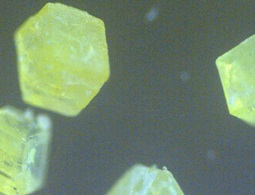
A perovskite crystal’s powerful light-emitting capabilities could be due to missing atoms in its structure.

A statistical technique for modeling large datasets improves interpretation of climate and environmental data.
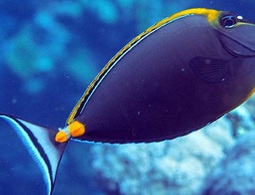
Symbiotic giant bacteria enable Red Sea surgeonfish to specialize their diets.
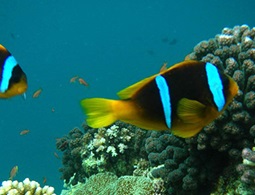
Satellite imagery shows how currents shape the Red Sea ecosystem.
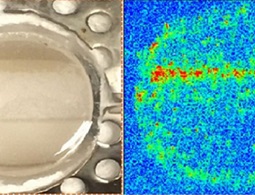
The molten surface of a sodium-based material could assist the direct conversion of methane to useful building blocks.
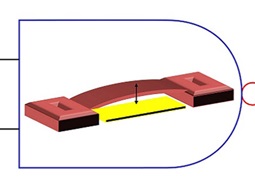
A vibration-driven logic gate could form the basis for the next generation of efficient, low-power computers.
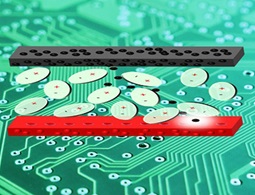
A novel type of electronic component made from a blend of polymer materials could enable more effective circuitry.
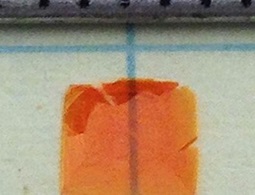
New evidence of surface-initiated crystallization may improve the efficiency of printable photovoltaic materials.
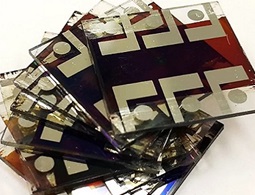
Simple chemicals called glycol ethers help make better perovskite thin films for solar cells.
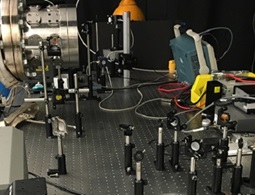
Insight into the thermal decomposition of a potential fuel additive shows it could promote cleaner and more efficient combustion.
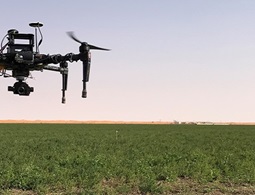
Emerging technologies are poised to transform how we observe the Earth.
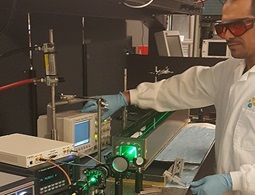
An underwater wireless optical communications system for streaming high-quality, live video.
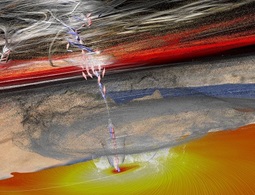
Advances in how science is presented means that visual tools can inspire research, as well as make its results accessible to the world.
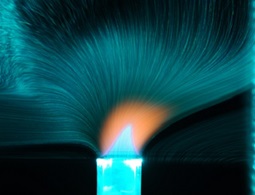
New 3D visualizations that reveal how flames respond to electric fields could help improve combustion efficiency and reduce pollution.