

Scanning in the fourth dimension
A novel imaging method makes it possible to capture object deformation in three dimensions over time with unprecedented accuracy.
A novel imaging method makes it possible to capture object deformation in three dimensions over time with unprecedented accuracy.
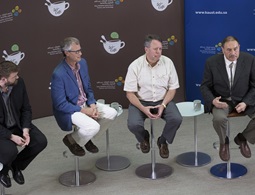
A plant scientist, a water specialist and a petroleum engineer walk onto a panel, “how do you define sustainability?” one asks.
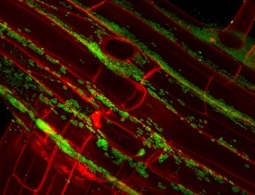
Bacteria isolated from desert plants could provide the key to maintaining productive agriculture in arid regions.
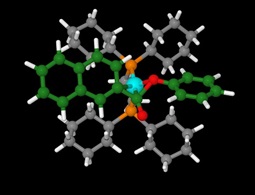
A metal catalyst that gives distinct carbon-based molecular skeletons upon ligand change may unlock cost-effective, green synthetic routes.
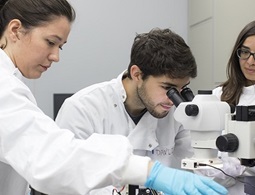
Pairing a conjugated polymer with a redox enzyme generates a fast, selective and sensitive electrochemical biosensor for metabolites.
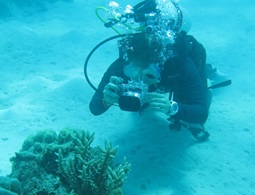
Research reveals the genetic response to heat stress and highlights symbiotic algae’s role.
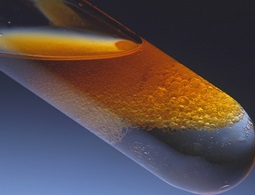
A new conceptual model for describing a fuel’s composition can accelerate and simplify combustion simulations.
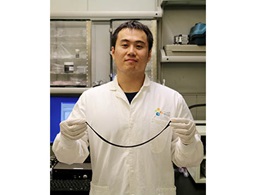
A metal carbide within a hydrogel composite senses, stretches and heals like human skin for use in medicine and robotics.
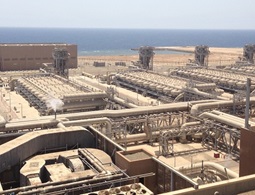
Learning how boron evaporates will help to improve water desalination technologies.
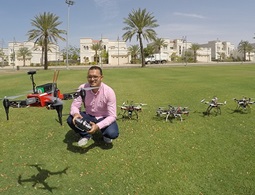
Innovative drone designs and software enable a team of drones to work together in a coordinated approach.
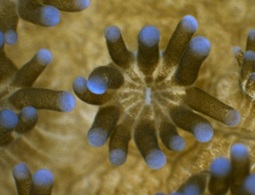
A molecular process that signals distress could also help corals adapt to climate change.
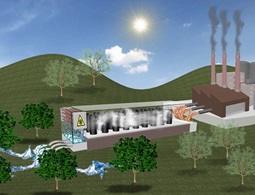
A 3D solar-steam generator design squeezes every last drop of energy from sunlight to produce fresh water.
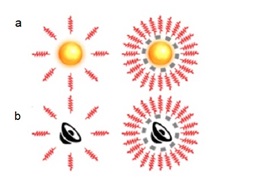
Tiny loudspeakers can efficiently produce low-frequency sounds due to effects similar to the quantum physics governing atoms.
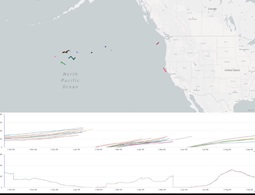
Adding sound to elephant seal migration data reveals high levels of coordination when swimming long distances.
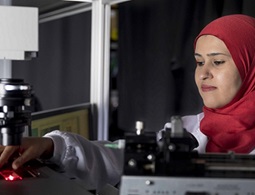
An unexpected two-step mechanism occurs when cells copy DNA.
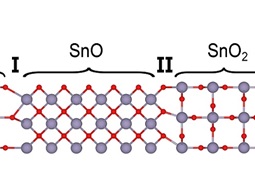
The interface between two tin-oxide semiconductors can exhibit unexpected metallic properties.
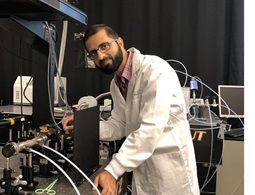
Spotting signatures of potential pollutants made easier with quantum lasers that emit tunable infrared light.
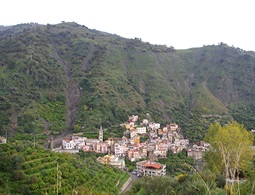
Rainfall simulations in statistical models could allow accurate prediction of dangerous landslides.
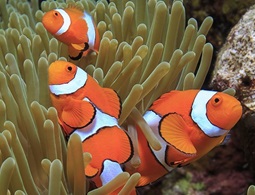
Nemo’s genome has been deciphered and made publicly available, helping researchers further investigate fish ecology and evolution.
Mapping genetic influences on connections between neural networks could lead to a better understanding of brain organization and behavior.