

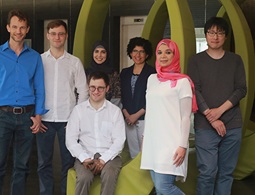
Global study links newly named syndrome with other disorders
Mutations in a repetitive protein motif are responsible for a rare cognitive disorder.
Mutations in a repetitive protein motif are responsible for a rare cognitive disorder.
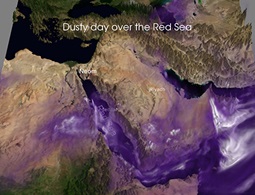
World-class computing facilities at KAUST enable researchers to tackle complex questions in climate science and oceanography.
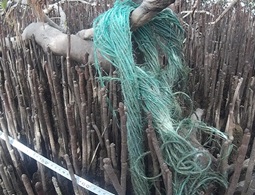
Marine plastic pollution accumulates in mangrove forests and is a danger to sea life.
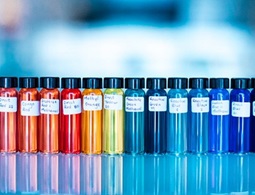
A graphene-oxide membrane design inspired by nature swiftly separates solvent molecules.

Automatic detection of uncharacteristic data sequences could change the way data is processed and analyzed.
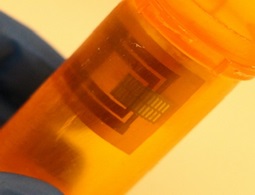
Low-cost, stretchy sensors can be assembled inside the lid of a drug container to help monitor patient safety.
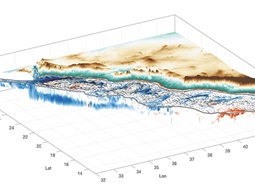
Modeling the 3D structure of Red Sea eddies shows how transport of energy and biochemical materials influences circulation patterns in the Red Sea.
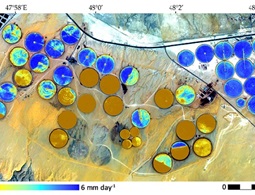
High-resolution imaging data collected by small satellites could transform how we monitor freshwater use in agriculture.
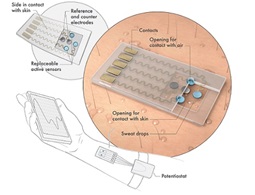
Nanotech-powered electrodes help solve the challenges of using sweat to assess biological conditions in real time.
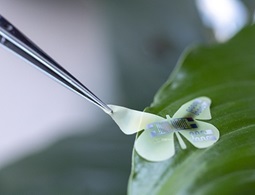
An interdisciplinary initiative is helping KAUST be at the forefront of a digital revolution, where sensors can find a use just about anywhere.
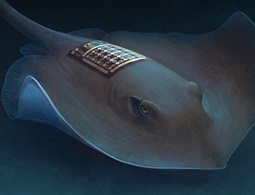
A pioneering tagging system that monitors the movement and local environment of sea animals reaches deeper depths and higher sensitivities.
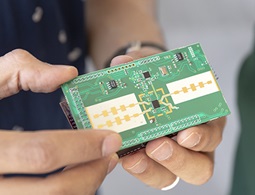
A tiny, portable radar device could allow visually impaired people, or unmanned moving devices, to detect objects in real time.
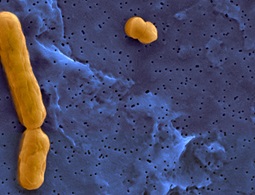
Understanding how bacterial metacommunities homogenize could help scientists predict future changes to ecosystems.
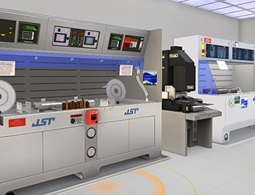
A virtual platform makes learning how to fabricate a semiconductor device easier, safer and more interactive.
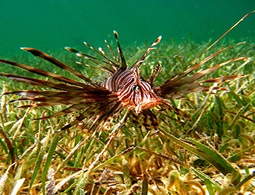
Researchers disentangle the effects of introduced species on the marine environment.
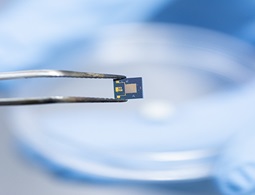
Fluorinated metal-organic frameworks make excellent materials for selective sensing and removal of toxic gases.
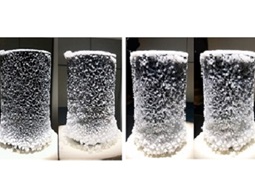
Unique membrane design prevents salt crusts from being produced during the distillation of brine water.
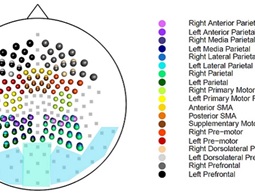
The latest statistical methods from research on complex high-dimensional environmental data also yield powerful tools for interpreting brain activity.
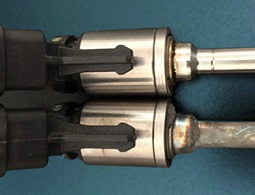
Predicting capricious pre-ignition combustion events could enable automakers to build powerful yet more efficient engines.

Single-molecule fluorescent measurements provide fresh insights into a process for keeping errors out of our genomes.