

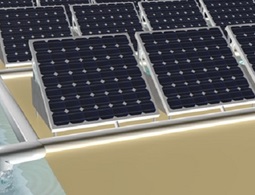
Solar power with a free side of drinking water
An integrated system seamlessly harnesses sunlight to cogenerate electricity and fresh water.
An integrated system seamlessly harnesses sunlight to cogenerate electricity and fresh water.
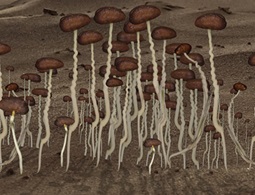
A date palm seedling can pause its development to boost its resilience before emerging into the harsh desert environment.

Gossip is an efficient way to share information across large networks and has unexpected applications in solving other mathematical and machine-learning problems.
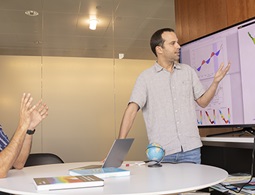
Exploring the links between natural climate cycles and the sea-surface temperature of the Red Sea reveals a cooling trend during the next few decades.
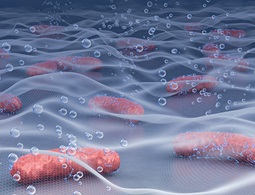
A biohybrid material that combines reduced graphene oxide with bacterial cells offers an eco-friendly option to help store renewable energy.
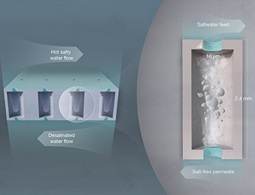
Insect-inspired design principles lead to first-ever water-repellent membranes made from water-wet materials.
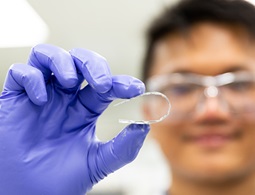
A low-temperature method for making high-performance thermoelectric materials could recapture lost energy.
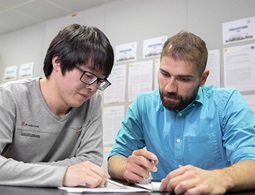
A universal query engine for big data that works across computing platforms could accelerate analytics research.
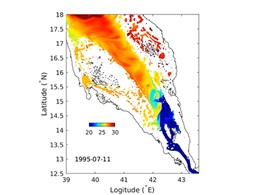
Powerful computer simulations are revealing new insights into water exchanges between the Red Sea and the Gulf of Aden.
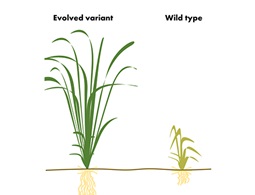
Accelerating plant evolution with CRISPR paves the way for breeders to engineer new crop varieties.
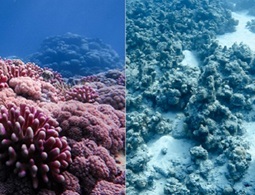
A remote sensing algorithm offers better predictions of Red Sea coral bleaching and can be fine tuned for use in other tropical marine ecosystems.
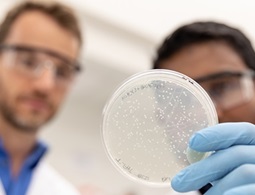
Protein found in gut-dwelling pathogens changes shape under human body temperatures, leading to toxins responsible for diarrheal disease.
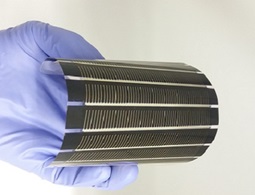
Simulations unveil efficiency targets and design rules to maximize the conversion of light into electricity using organic solar cells.
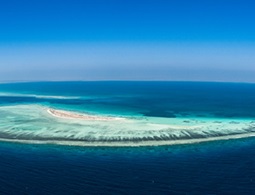
Global water challenges addressed through improvements to desalination techniques and limits to waste.
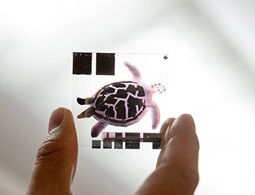
Inkjet printing could produce high-efficiency organic solar cells with commercial potential.
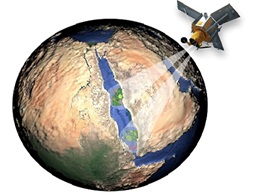
Algal blooms in the Red Sea can be detected with a new method that accounts for dust storms and aerosols.
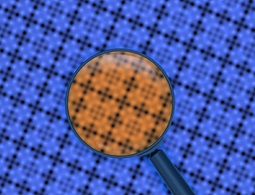
Imaging defects in MOF crystals, and monitoring how they develop, will allow control of defect formation to design better MOFs for many applications.
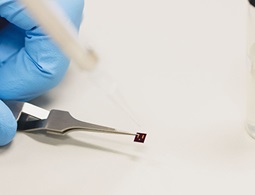
Arranging nanowires in bent configurations may make them less likely to fail inside electronic devices.
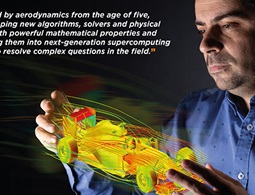
The Formula 1 race track is the ultimate testbed for a KAUST researcher's latest work.
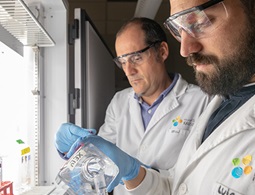
Predation, not resource availability, limits the abundance of coastal Red Sea bacteria.