

Database to support infectious disease research
Linking disease pathogens to clinical signs and symptoms through a database could support research into the molecular mechanisms of infectious diseases.
Linking disease pathogens to clinical signs and symptoms through a database could support research into the molecular mechanisms of infectious diseases.
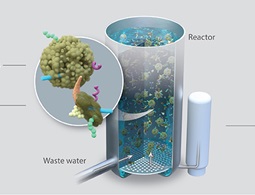
The dynamics behind microbial communities in granular-based wastewater treatment systems.
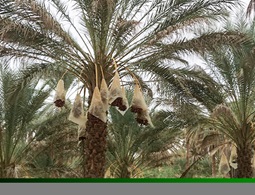
Cultivated date palms have co-evolved with desert bacteria for so long that their roots attract the microbes that provide the best chance for a long and healthy life.
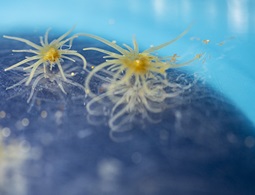
Corals use sugar from their symbiotic algal partners to control them by recycling nitrogen from their own ammonium waste.
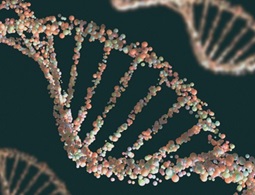
A deep learning model improves the ability to identify genes potentially involved in disease.

Understanding the situations when artificial intelligence can fail is critical for application of future autonomous vehicles and medical diagnostics.
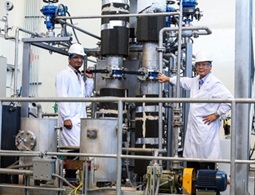
Accounting for the quality of energy needed to run a desalination plant shows benefits of using waste heat.
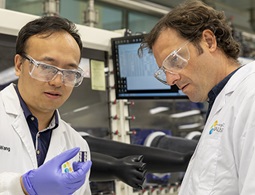
Changes in composition are shown to affect light-harvesting layer crystallization and perovskite solar cell efficiency.

Genome editing techniques have the power to transform crop yields and plant resilience to feed the growing global population.
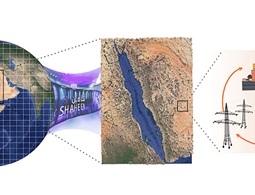
Mapping variations in sunlight across the Arabian Peninsula reveals a bright future for solar energy in the region.
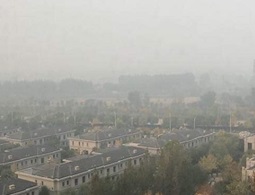
The spatial variation in different air pollution components helps identify possible targets for pollution control.
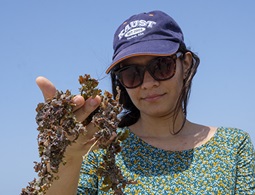
Macroalgae is shown to be a major global contributor to carbon sequestration.
A communications concept could pinpoint a person infected with a deadly, contagious virus in the middle of a crowded airport.
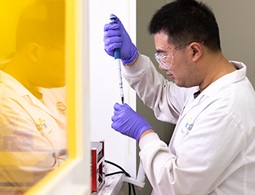
A three-component light-harvesting layer boosts performance in an organic solar cell.
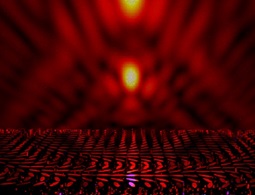
Overlaying two film layers patterned with a nanoscale array can manipulate the propagation of light to create a powerful ultrathin lens.
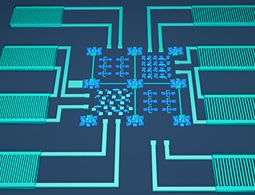
Ruthenium oxide is used to integrate energy-storing microsupercapacitors and thin-film electronics at the transistor level.
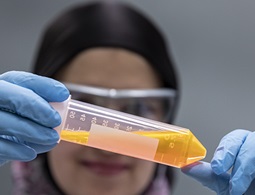
New experimental insights allow researchers to probe protein-DNA interactions with greater precision.
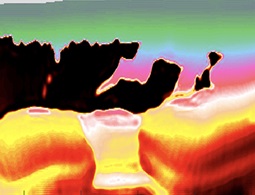
Automated imaging of underground salt bodies from seismic data could help streamline oil and gas exploration.
Pyramidal graphs resulting from statistical analyses of EEG recordings can improve our understanding of epileptic seizures.
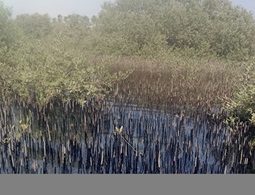
Sediment libraries show marine ecosystems are accumulating oil pollution faster than ever.