

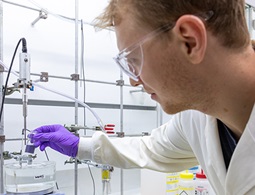
A shift in shape boosts energy storage
More efficient photocatalysts could unlock the potential of solar energy.
More efficient photocatalysts could unlock the potential of solar energy.
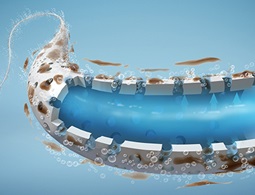
Carbon dioxide bubbles could be a fast and environmentally friendly way to unclog seawater filters and keep the supply of drinking water flowing.
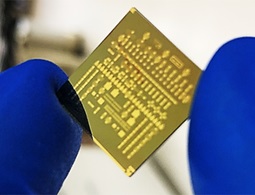
A simple, cost-effective technique uses solution-based printing to make better ultrathin transistors.
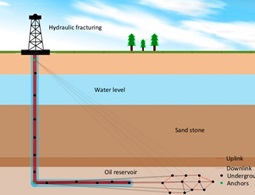
Pinpoint mesh of smart underground objects could give real-time 3D readout of fossil fuel reserves.

For a communications revolution, 6G development needs more human-centric research.

Extremely thin strips of phosphorus may help engineers to fabricate nanoscale transistors with atomically perfect structures.
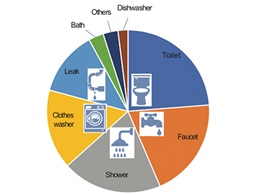
With about half the world’s population living close to the coast, using seawater to flush toilets could be possible with a salt-tolerant bacterium.

Simulations reveal unexpected connections in the Red Sea basin that could help marine conservation.
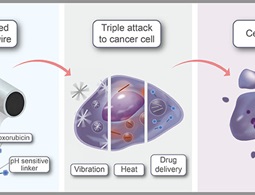
Multifunctional iron nanowires selectively obliterate cancer cells with a triple-punch combination attack.
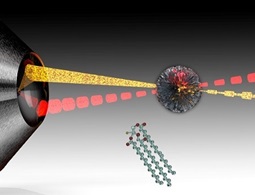
Laser-based microscopes can tune into multiple biomolecular signatures found in cancer cells.
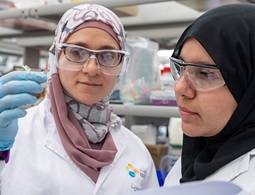
Prediction method could help personalize cancer treatments and reveal new drug targets.

A better mathematical understanding of how big waves form could lead to better prediction of tsunami impacts.

The finding that light can be twisted very precisely may offer fresh options for communications infrastructure.

The psychology of human creativity helps artificial intelligence imagine the unseen.

Summer dust has been increasing over the Arabian Peninsula for the past decade with global implications.
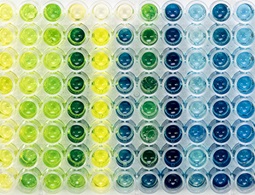
Ultraviolet light could thwart antimicrobial resistance by damaging DNA material in wastewater.
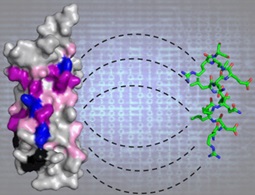
A machine learning method has identified highly elusive amino acid sequences involved in cell morphogenesis and adhesion and in diseases like cancer.
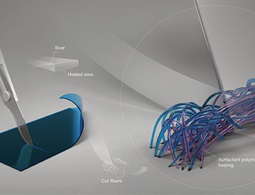
Sensors that are worn on the skin could soon be powered by our own body heat.
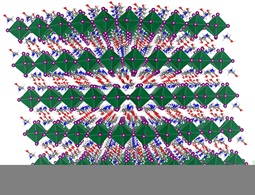
Materials that can slow the cooling of highly energetic hot carriers could capture extra energy from the Sun.
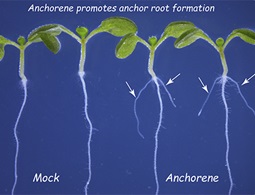
A newly discovered plant metabolite that promotes anchor root growth may prove valuable in helping crops grow in nutrient-deficient soils.