

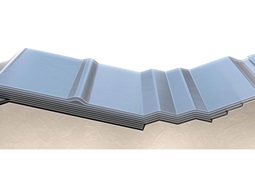
Next-gen smartphones to keep their cool
Multilayered carbon material could be the perfect fit for heat management in electronic devices.
Multilayered carbon material could be the perfect fit for heat management in electronic devices.
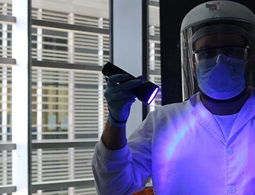
A method that lights up tags attached to selected proteins can help to purify the proteins from a mixed protein pool.
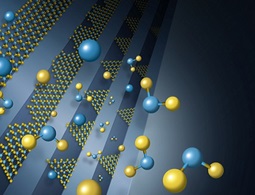
Surfaces featuring atomic-scale ledges and steps can act as reusable templates for producing nanoelectronic components.

Combining distinctive properties of two-dimensional materials inspires research to reveal a new frontrunner.
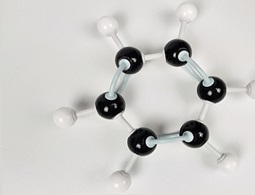
Looking closely at the chemical process that transforms methane into useful products could help unveil more efficient ways to use natural gas.

Identifying the ideal co-catalyst can significantly extend the working lifetime of solar fuel–generating photocatalysts.
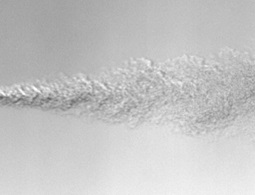
Improved imaging of liquid jet sprays can impact fields ranging from inkjet printing to oil and gas processing.
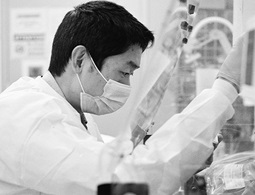
A sequencing approach can home in on a rare mutation within a large number of cells, revealing implications for CRISPR genome editing and early cancer detection.
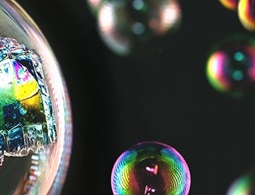
Efficient yet exceptionally light organic solar cells created entirely by inkjet printing.
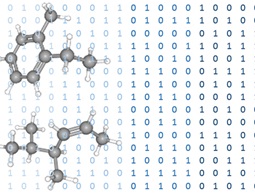
Machine learning models can rapidly and accurately estimate key chemical parameters related to molecular reactivity.

Light-responsive building blocks provide organic membranes with light-controlled permeability and selectivity.
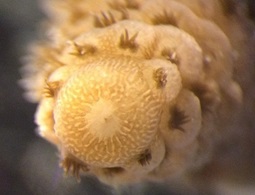
A safer technique reveals that corals take up seawater pollutants both directly and indirectly.
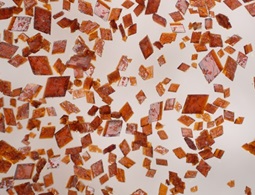
Atomically precise nanocluster may provide fresh direction for nanocatalysts.
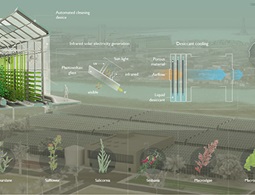
Efficient greenhouse complexes that will grow crops using the resources available on desert coasts could improve food security for millions.
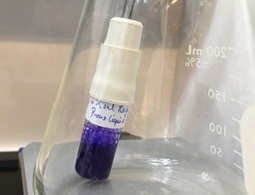
Modified metal-organic frameworks that can behave as porous liquids offer new possibilities for gas separation technologies.
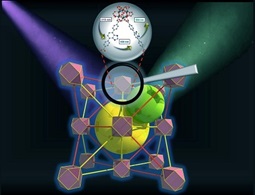
An energy transfer process that mimics photosynthesis could help to extract more power from sunlight.

Plasma technology could help the petrochemical industry transition to an electrified, decarbonized future.
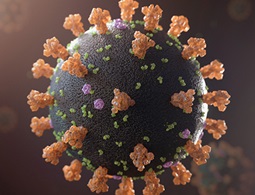
A likeness between genes of the SARS and COVID-19 viruses could inform research into potential treatments.
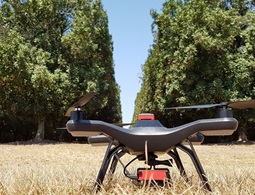
Models based on images from unmanned aerial vehicles and satellites can help farmers to monitor the health of individual trees.
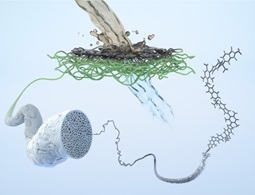
High-capacity oil-adsorbing mats could be deployed in oil spill emergencies to limit ecological damage.