

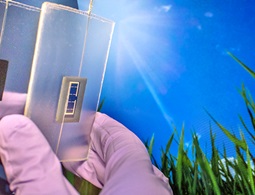
Seeing both sides of light collection
Combining two light-absorbing materials and optimizing the flow of current improves the performance of solar cells.
Combining two light-absorbing materials and optimizing the flow of current improves the performance of solar cells.
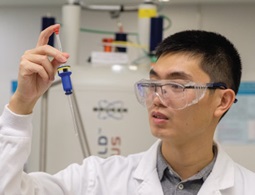
A diverse category of porous materials can separate and purify key industrial chemicals at low temperatures.
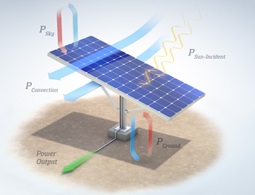
Modeling shows the true cost of heat on PV system performance.
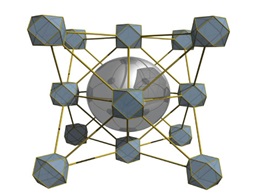
Metal organic framework helps silver catalyst to turn greenhouse gas into useful chemical feedstock.
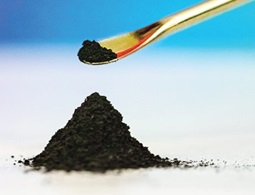
Catalyst nanoparticles trap an unprecedented range of wavelengths of light to convert carbon dioxide into methane.
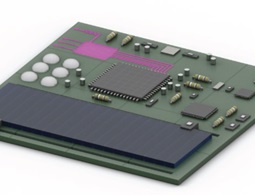
Fluid injection of perovskite semiconductors creates microwires to build different optoelectronic devices on a single silicon chip.
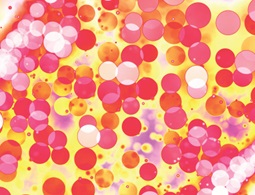
A low-cost diagnostic tool can detect a range of viruses without the need for expensive materials or facilities.
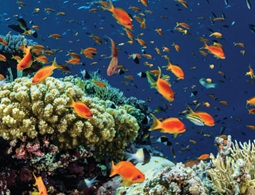
Providing corals with cocktails of natural probiotics could enhance their tolerance to stress and reduce mortality in coral bleaching events.
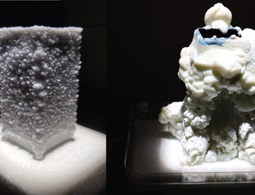
Solar-powered brine crystallization could alleviate the environmental impacts of seawater desalination.
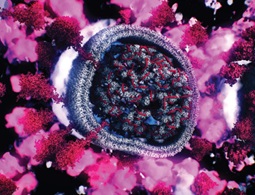
An interactive platform helps users visualize where SARS-CoV-2 mutations start, how wide they spread and how infectious they are.

Volatile alkanes can rapidly acquire oxygen atoms in a free radical chain reaction, a process significant for fuel combustion and air pollution.
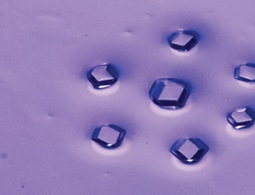
Sophisticated geometry design gives rise to a new form of crystalline material.
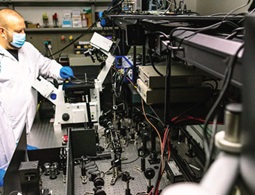
Tiny light-emitting probes give researchers a better option for noninvasive imaging of living tissue.
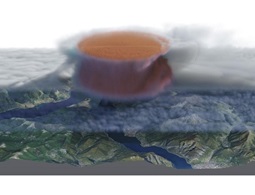
A focus on the fundamental physics of cloud formation leads to highly realistic simulations of different types of clouds.
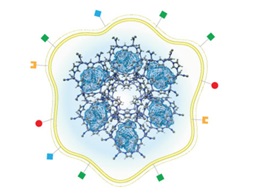
An antibody loaded onto a porous metal organic framework is released by the acidic environment that surrounds tumors, avoiding the adverse effects of administering the antibody alone.

The timing of phytoplankton blooms in the Red Sea could help determine next year’s fish catch.
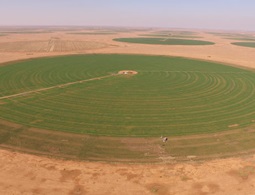
A pioneering framework will monitor groundwater use for agricultural irrigation across Saudi Arabia.

A new analysis of satellite data gives a detailed view of how extreme dust events have changed over time.
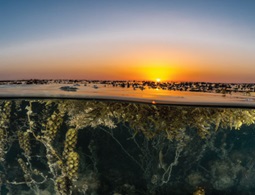
Red Sea atlas of algal blooms reveals the need for more sustainable fish farming.
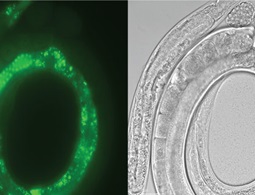
A new protocol brings the precise standards of engineering to the realm of synthetic biology.