


Explaining electric fields in sandstorms
The intense sparks that occasionally accompany charged sandstorms can arise from turbulent movements of airborne dust.
The intense sparks that occasionally accompany charged sandstorms can arise from turbulent movements of airborne dust.

The evolving periodicity of the brightness of certain types of stars can now be described mathematically.
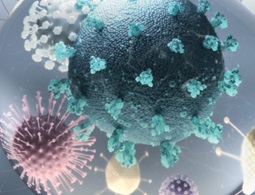
New method can simultaneously diagnose cases, track variants and detect co-infections.
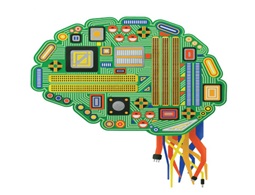
A neural network that mimics the biology of the brain can be loaded onto a microchip for faster and more efficient artificial intelligence.
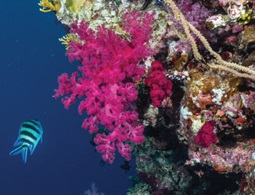
Heat stress disrupts the physiological processes of corals prior to clear signs of bleaching, with implications for adaptation strategies for coral reefs in a warming climate.

National lockdowns have provided a unique opportunity to assess the effects of human activity on wildlife, which could translate into new attitudes and better policies.
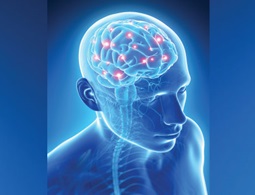
The statistics used to understand social networks reveal the diversity of functional connections in the brain.

Optimizing network communication accelerates training in large-scale machine-learning models.

Predicting areas of the Red Sea most susceptible to overheating by the end of the century could help conservation efforts to protect its precious coral reefs.
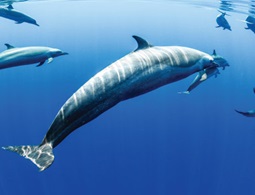
For the sake of marine life, international collaboration is required to reduce undersea sounds.
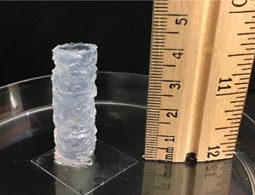
A printable hydrogel made of ultrashort peptides could help shape cells into viable tissues.
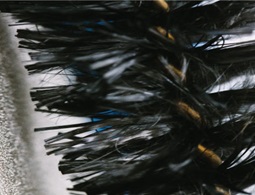
Technologies that use the metabolic properties of microbial communities to treat wastewater and generate energy will transform water reuse.
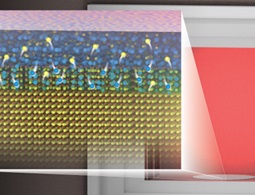
Researchers have made unparalleled ultrawide-bandgap semiconductors through temperature and timing, just like baking bread.

Large-scale analysis of pedestrian data from three European cities examines how building density and street design influence pedestrian behavior.

Flying drones connected by a cable tethered to a ground station could be a flexible solution for enhancing wireless connectivity in temporary hotspots.
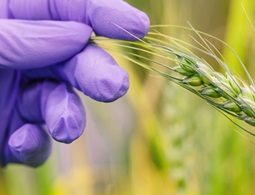
Coating crop seeds with bacteria found on a desert shrub boosts yields in hot fields.
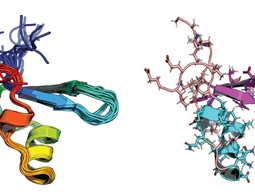
Researchers show how bacteria have adapted a sensing mechanism that allows them to live in different environments.

Rational molecular design produces air-stable polymer-based semiconductors to better exploit waste heat for electricity.
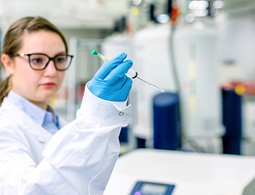
A mutational change of an enzyme’s dynamics increases its activity on a chromatin histone, ultimately causing a common lung cancer.
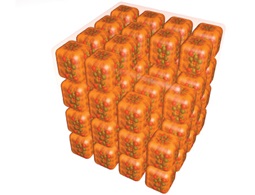
Nanoclusters with a copper-hydrogen core provide new structure-activity insights.