

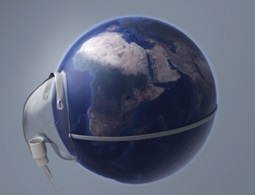
Predicting the evolution of a pandemic
An extended epidemic model that accounts for uncertainty and the latest data can better predict the evolution of pandemics.
An extended epidemic model that accounts for uncertainty and the latest data can better predict the evolution of pandemics.
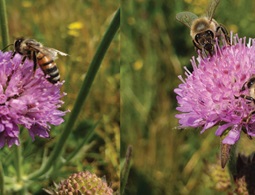
Honeybees bring back more than just nectar from their floral feasts and these microbes may help them survive turbulent times.
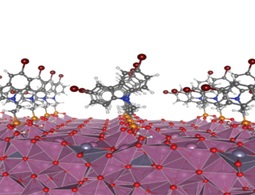
A single-molecule layer that helps to channel electrical charge into an electrode can outperform the best conventional material.

Trends in heat discomfort are more subtle than expected across Saudi Arabia and beyond.
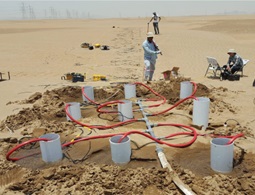
Geologic structures and deposits below planetary surfaces can be mapped faster than ever.
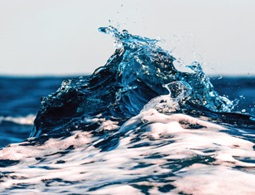
The system offers an economical way to source essential battery material.
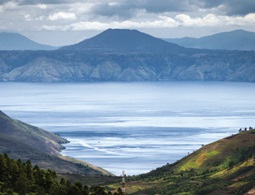
Ozone depletion following the Toba eruption around 74,000 years ago compounded the ensuing volcanic winter and caused a human population bottleneck.

Detailed and extensive genome sequencing of a subspecies of rat-infecting malaria parasites should instruct human malaria research.
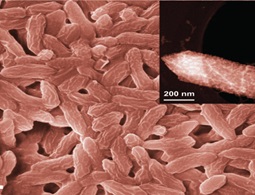
An enigmatic bacterium proves a useful ally for the synthesis of single-atom catalysts to split hydrogen from water.
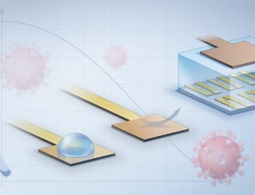
New diagnostic technique could help contain the spread of COVID-19 and other viral outbreaks.
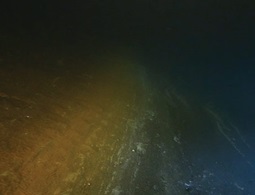
A lot happens and changes within a thin one-meter-thick transition layer between deep Red Sea water and an expansive underlying brine lake.
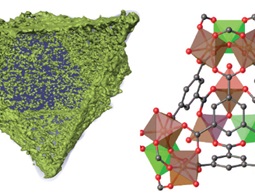
The tightly defined ratios of metals in metallic organic frameworks makes them ideal starting materials for novel catalyst creation.
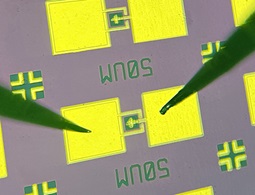
Pure red-light micrometer-scale emitting devices made from a nitride semiconductor reaches excellent efficiency.
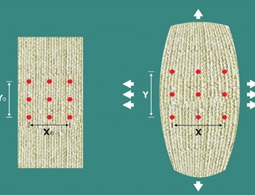
Calculations predict that atom-thin sheets of carbon chalcogenides will grow wider when stretched in any direction.
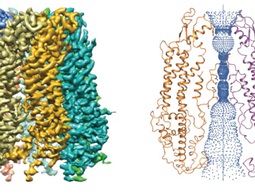
Combining expertise has shed new light on how cells self-destruct during microbial infection.
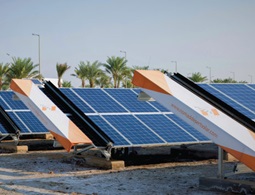
Mixed-cation single crystals narrow the gap between perovskite and top-performing semiconductor solar cells.
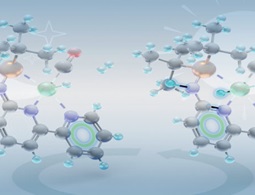
The chemical concept of aromaticity is inspiring new developments in the area of catalysis.
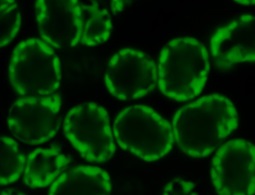
The weird and wonderful genome of dinoflagellates looks nothing like other eukaryotic genomes.
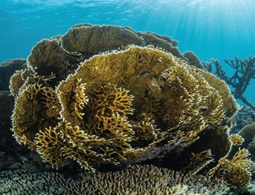
Coral ancestors had the genetic toolkit to make skeletal structures and only took simple evolutionary steps to begin building reefs.
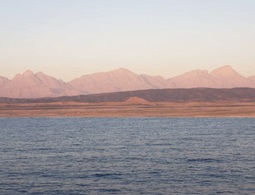
A detailed analysis combining seafloor mapping and earthquake and gravity data shows that the oceanic crust under the Red Sea is older than previously thought.