

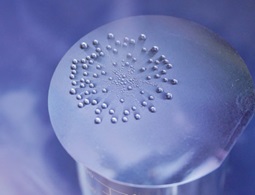
What we knew about water was right after all
Hydrogen peroxide only forms in the presence of ozone in water microdroplets.
Hydrogen peroxide only forms in the presence of ozone in water microdroplets.
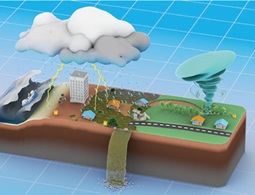
A corrected description of the "tail dependence" for extreme events leads to a better statistical model for environmental data.
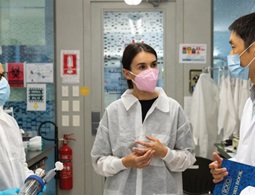
Cell processes and research reproducibility may be significantly impacted by changes in batch cultures as cells grow. More monitoring and improved procedures are needed.

Genomic defense mechanism harnessed to manipulate gene activity in worms.
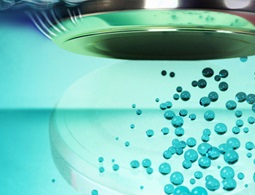
Damage-causing bubbles might form at much lower impact velocities than expected.
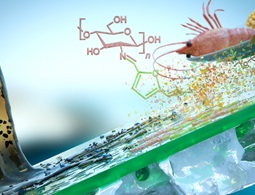
Waste materials are used to create an environmentally friendly filtration system for industrial applications.
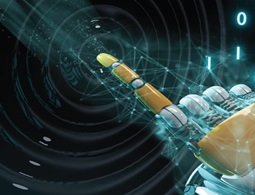
In-memory sensing technology will facilitate electronic systems that are faster, smaller and consume less energy.
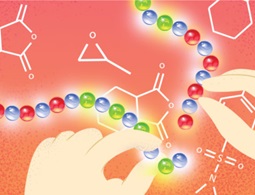
A catalyst turns three monomer mixtures into diblock dialternating terpolymers in a single step.

Comparing different approximation methods for analyzing large spatial datasets allows for a better understanding of when these methods become insufficient.

The statistics of extreme events reveal that cryptocurrency prices tend to fall in tandem but rise more independently.

Cold still causes far more deaths than heat in India.
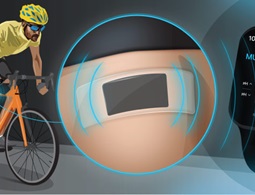
Wearable device alerts users about muscle fatigue by monitoring pH levels of sweat.

Transistor-based sensors offer hope for rapid diagnosis and treatment for COVID-19 and other infections.
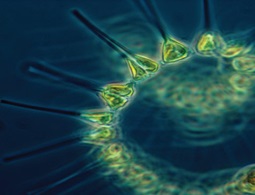
Satellite data analysis lays a foundation for future studies on the impact of climate change on the Red Sea ecosystem.

Damage from adding electrical contacts to sensitive semiconductors can be mitigated using a buffer layer and optimized deposition.

Miniature RNA-cutting protein harnessed for diagnostics and therapeutics.
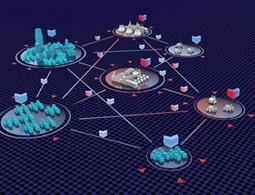
Stacked deep learning offers a better way to detect hacking into industrial control systems.
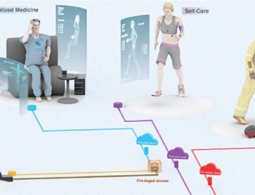
A network of body monitoring devices connected using our own tissue could form the basis for the internet of bodies (IoB).
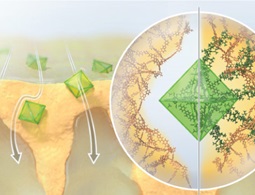
An energy efficient membrane technology could lead to a low-cost and environmentally sustainable separation technique.
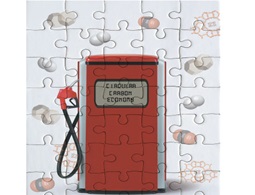
The conversion of captured CO2 into fuels and other valuable hydrocarbons could enable a sustainable nonfossil-fuel-based economy.