

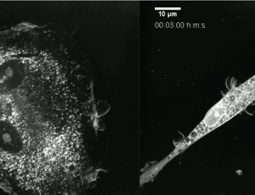
Stem cells reveal underpinnings of rare immune disease
Abnormal protein tied to Wiskott-Aldrich syndrome found to control gene splicing.
Abnormal protein tied to Wiskott-Aldrich syndrome found to control gene splicing.

A newly identified heat-stable Cas13 enzyme could lead to improved diagnostics and new biotechnological applications.
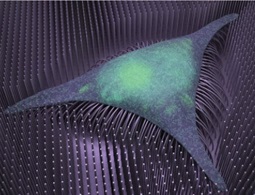
Nanotechnology that accelerates the transition of stem cells into bone could advance regenerative medicine.
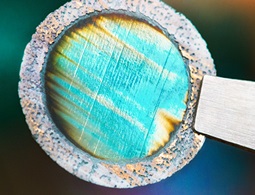
Porous MOFs enable simple molecular separations based on mismatches in physical profiles.

The statistics of extreme events helps to better understand epileptic seizures.

Porous nanosheets combined with polymers can remove contaminants from methane.

A standardized method for monitoring the condition of coral reefs could strengthen global efforts to manage vulnerable marine habitats.
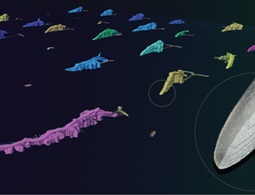
An AI-powered imaging system called MutipleXLab provides rapid automated phenotyping of seed germination and root growth that will help select plants that grow well.

Built-in heterojunctions enhance the ability of nanoparticle photocatalysts to produce hydrogen fuel from water.

Systematic study resolves a debate on the best combination of metals to catalytically clean NOx from vehicle emissions.

Teaching AI to capture the full spectrum of human emotions when annotating artwork.
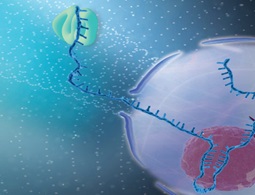
An online tool reveals the extent of gene-restructuring events in noncoding sequences.
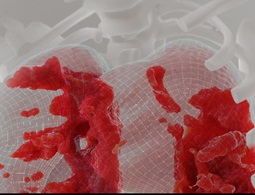
Tool reveals hidden features on chest scan images.
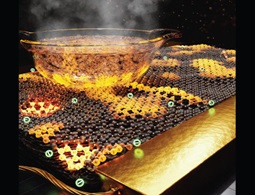
Graphitic thin films hit high temperatures within seconds under low voltage.
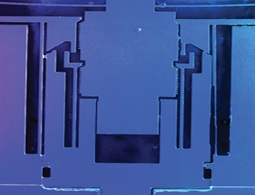
A single-actuator system allows sensor-free highly precise position control for microelectromechanical devices.

Optical fibers doped with perovskite nanocrystals bring new opportunities for photodetectors for high-speed, free-space and underwater data links.

A universal mechanism could explain the formation of carbon nanoparticles in interstellar and terrestrial environments.
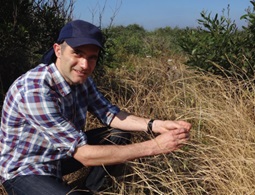
Researchers have identified stem rust resistance in the wild cereal plant Aegilops sharonensis and successfully transferred the resistance gene into bread wheat.
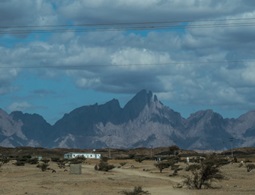
New insights narrow the gap between large-scale atmospheric models and microscale features of atmospheric winds.
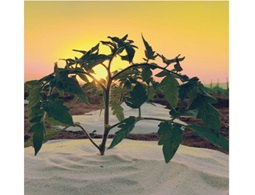
A sand-based mulch could help reduce irrigation on desert farms.