

Solutions through curiosity-driven
and goal-oriented research
The academic divisions and research centers support the University's research mission by bringing together faculty members, researchers and graduate students from across the disciplines. Together, they leverage the interconnectedness of science and engineering and develop interdisciplinary approaches to fundamental and goal-oriented problems.
Our core labs are centrally organized, shared-user facilities that provide direct access to specialized research equipment operated by expert staff with advanced degrees in science and engineering. Core labs staff partner with researchers to collaborate on projects, fulfill service requests and train users to operate independently.
KAUST Research
BESE Biological and Environmental Science and Engineering Division
BioMed Biomedical Sciences Division
CEMSE Computer, Electrical and Mathematical Science and Engineering Division
PSE Physical Science and Engineering Division
Technical Platforms
Advanced Membranes and Porous Materials Platform
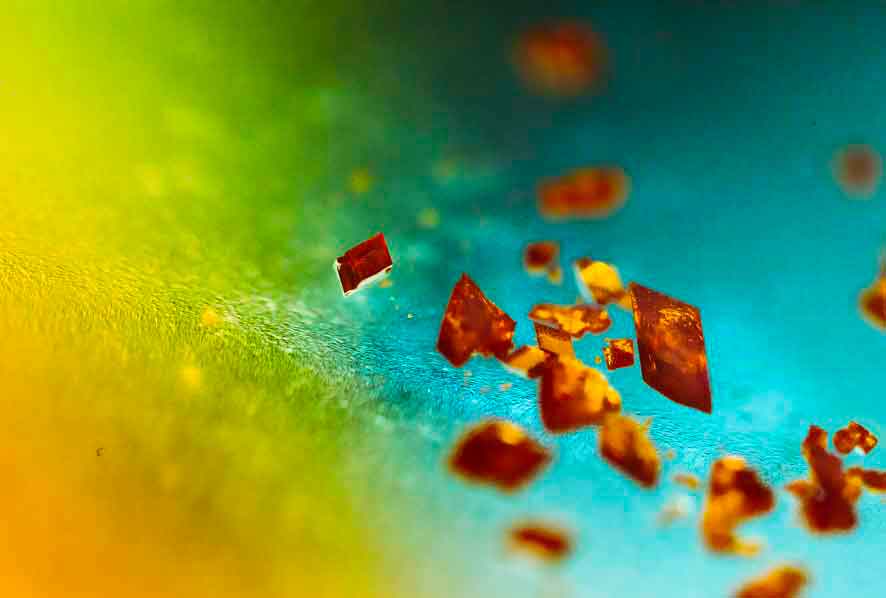
The Advanced Membranes and Porous Materials Platform
at KAUST aligns with Saudi Arabia’s Vision 2030 by
advancing leadership in three pillars of the
Kingdom’s Research, Development, and Innovation
Authority (RDIA): Sustainable Environment and
Essential Needs, Energy and Industrial Leadership,
and Economies of the Future.
Our mission is to
maintain world-class research capabilities that
support innovation in membrane and porous material
technologies, generating significant economic and
industrial impact. We focus on accelerating applied
research with a clear pathway to high technology
readiness levels (TRLs) and eventual
commercialization.
Geo-Energy & Mineral Resources Platform
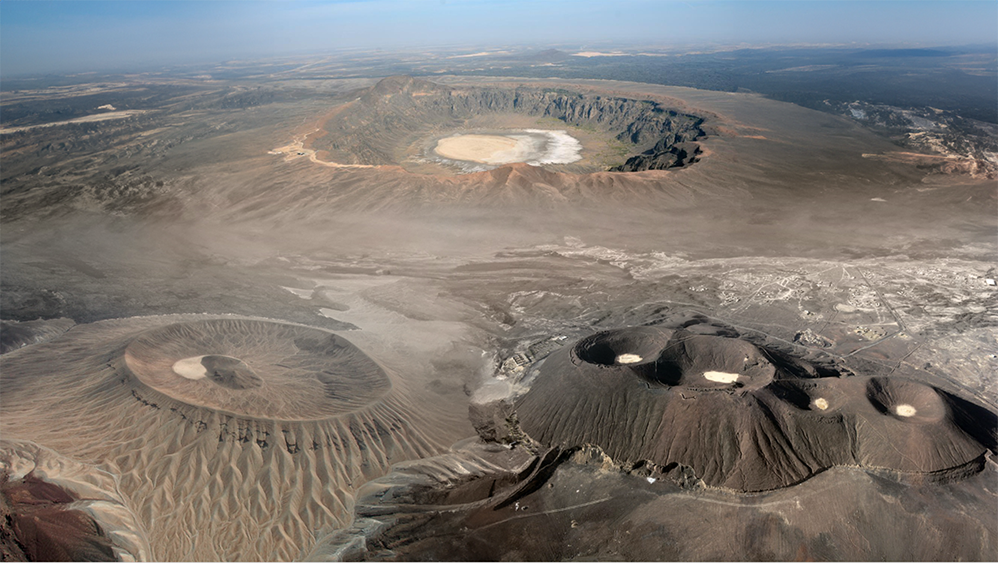
GEMs mission is to provide a multidisciplinary,
collaborative, and integrated experimental
laboratory environment for faculty, researchers,
postdocs, and students to enable advanced research,
expand scientific knowledge and develop engineering
solutions for subsurface energy resource recovery,
geo-storage, and mining resources. Results will have
a decisive impact on the Kingdom (and the world) as
it transitions from fossil fuels to a renewable
"green" future whilst meeting its future energy
needs, reducing environmental costs, and providing a
basis for economic development.
Plant Science Technological Platform

The Plant Science Technological Platform offers a comprehensive suite of services to support advanced plant research and innovation. The platform is designed to cultivate cutting-edge scientific discovery by integrating state-of-the-art facilities, expert management, and computational resources tailored to the needs of plant science professionals.
Clean Energy Research Platform
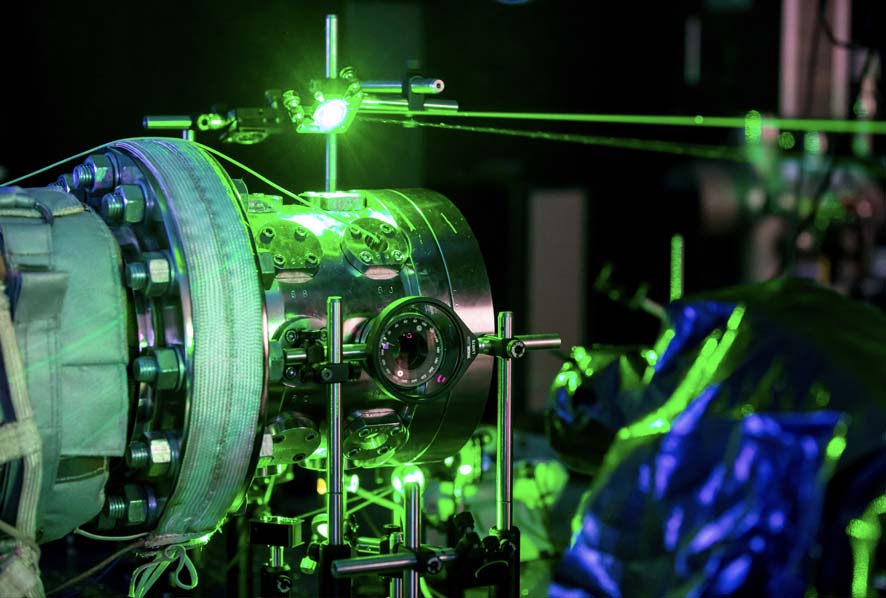
The Clean Energy Research Platform at KAUST supports
the Kingdom’s Research, Development, and Innovation
Authority (RDIA) priorities by advancing energy and
industrial leadership and enabling future economies.
Its mission is to maintain leading research
capabilities that drive innovation in sustainable
energy, decarbonization, alternative fuels, and
technologies with measurable economic and industrial
impact. The Platform emphasizes applied research
with clear pathways to high technology readiness
levels (TRLs) and eventual commercialization.
The Bioinformatics Platform
The Bioinformatics Platform aims to establish
centralized and well-organized bioinformatics
services and infrastructure at KAUST, enabling
flagship projects and supporting research,
development, and artificial intelligence
initiatives. It has the potential to become a
national hub for bioinformatics in the Kingdom.
The
platform seeks to streamline bioinformatics support,
standardize workflows, and advance research in areas
such as metagenomics — ultimately enhancing KAUST’s
research visibility and contributing to national
priorities.
KAUST Catalysis Platform
The KAUST Catalysis Platform is a premier
interdisciplinary platform advancing catalyst design
and applications aligned with Saudi Vision 2030’s
goals for sustainable energy, environmental
stewardship, and industrial growth. Leveraging
cutting-edge research, artificial intelligence, and
high-throughput screening, the Platform accelerates
the discovery and optimization of catalysts across
homogeneous, heterogeneous, photo-, and
electro-catalysis. This approach supports the RDIA
pillars by transforming fundamental science into
innovative, impactful solutions. Anchored in KAUST’s
strategic commitment to excellence and global
collaboration, KCC drives sustainable technologies
that contribute to a diversified and knowledge-based
economy.
KAUST Solar Platform
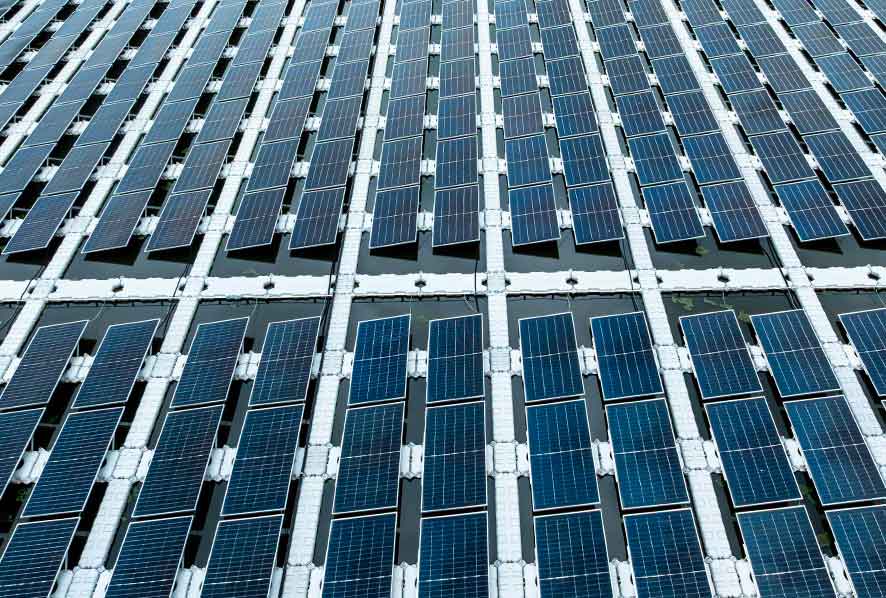
The KAUST Solar Platform’s mission is to enable new
science and technology in the field of solar energy
conversion, providing an environment for
interdisciplinary research and innovation. The
current expertise in the platform is centered on
photovoltaic applications based on organic, hybrid
and perovskite materials. The research
accomplishments of the platform faculty, helps
establish the platform as a renowned in these
emerging photovoltaic technologies, from materials
design, modeling, synthesis, and characterization to
processing and solar cell fabrication.
The KAUST
Solar Platform is one of the world's largest and
best equipped academic platforms for solar energy
research and technology, supporting a broad research
portfolio of collaborative projects.
Red Sea Research Platform
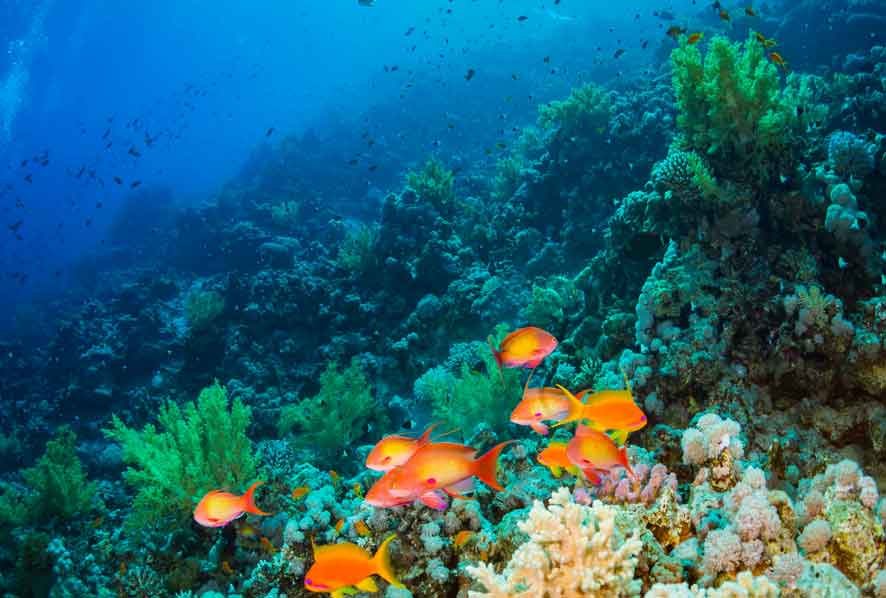
The Red Sea Research
Platform supports marine biology and ecology
studies, providing functionality for the central lab
operations of its members. Through the platform,
KAUST researchers generate essential scientific
insights to support the Kingdom’s sustainable
development and economic diversification goals.
Building on its contributions to the study of coral
reefs, mangroves, and seagrass meadows, the platform
is positioned as a leader in marine science.
Known
for its high salinity and temperatures, the Red Sea
is KAUST’s largest and most distinctive
“laboratory,” offering a glimpse into future global
marine stressors. With Red Sea life having evolved
to thrive under extreme conditions, this unique
environment provides valuable opportunities to study
the effects of climate change on marine ecosystems.
KAUST researchers are unravelling the genetic,
behavioural, and physiological mechanisms behind
this resilience.
Water Desalination Research Platform

The Water Desalination Research Platform serves the
Kingdom and the global community by enhancing
technologies for water desalination, wastewater
treatment, and water reuse.
The Platform aims to
fulfill its mission by researching and developing,
in collaboration with Saudi and international
stakeholders, more efficient, innovative, and
sustainable technologies for water desalination and
water reuse from impaired water sources.
Core Labs and Research Infrastructure
Analytical Chemistry Core Lab (ACL)
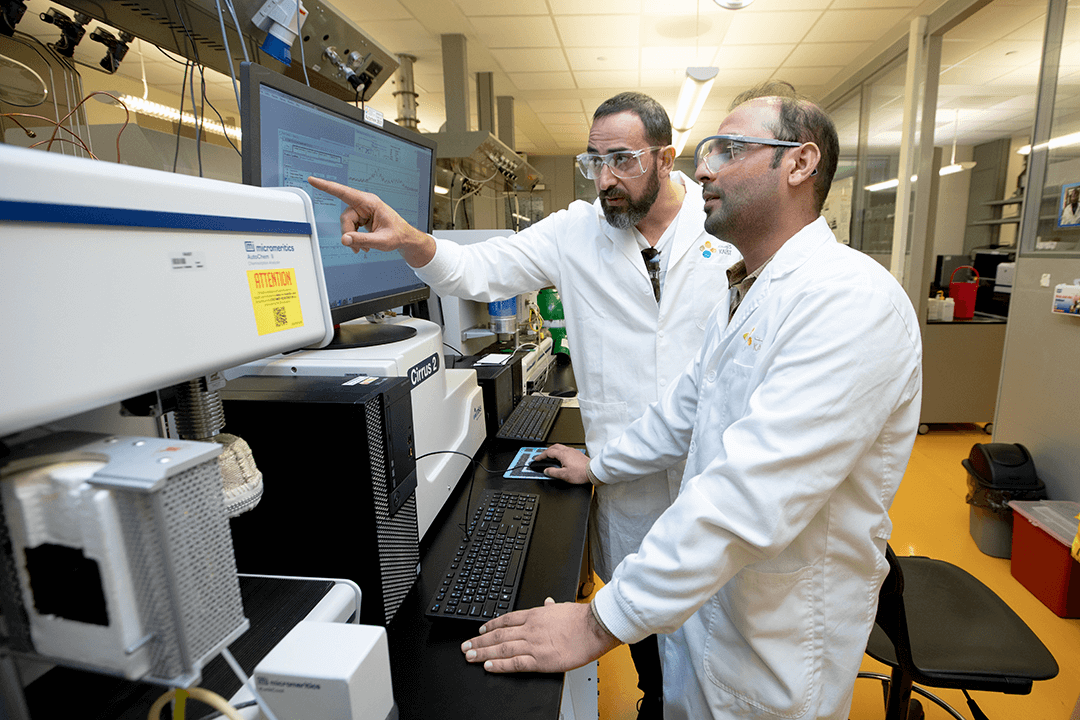
The Analytical Chemistry Core Lab houses a diverse
range of state-of-the-art instrumentation in a
1400-square-meter user facility. We specialize in
the analysis of inorganic and organic constituents
in most solid and liquid materials. In addition, we
have the capabilities to characterize thermal,
mechanical, optical, and electrical properties of
materials.
Animal Resources Core Lab (ARCL)
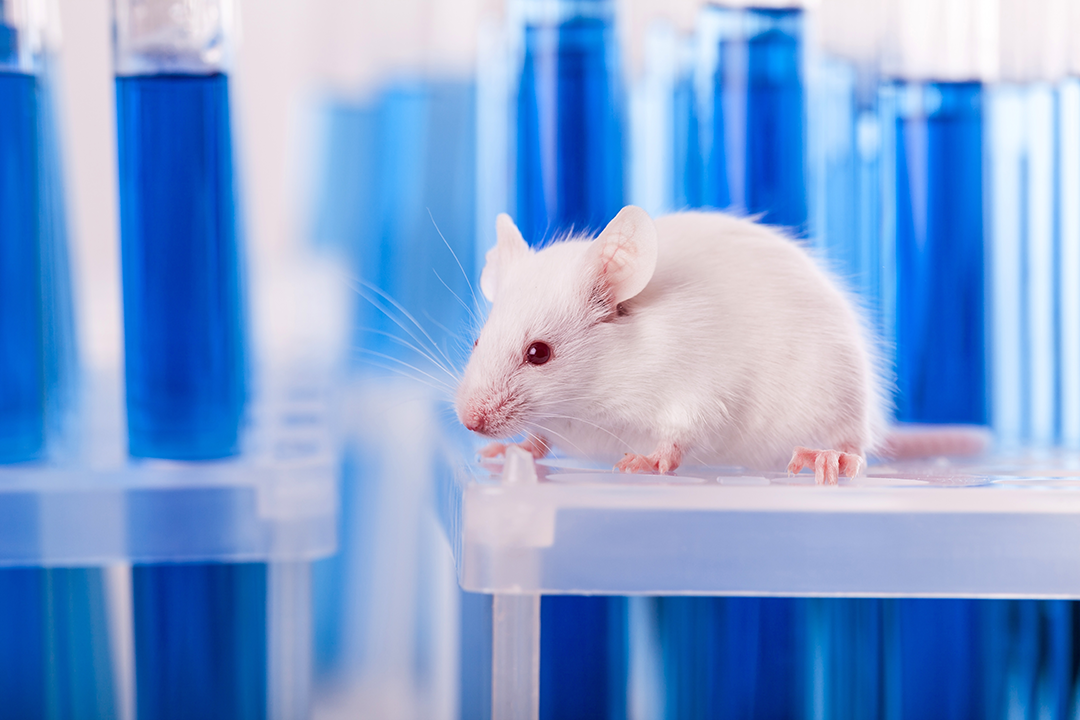
The Animal Resources Core Lab provides support for
conducting biomedical research on mice. The lab
follows internationally recognized animal welfare
standards, as described in the Guide for the
Care and Use of Laboratory Animals published by
the US National Research Council in 2011.
Bioscience Core Lab (BCL)
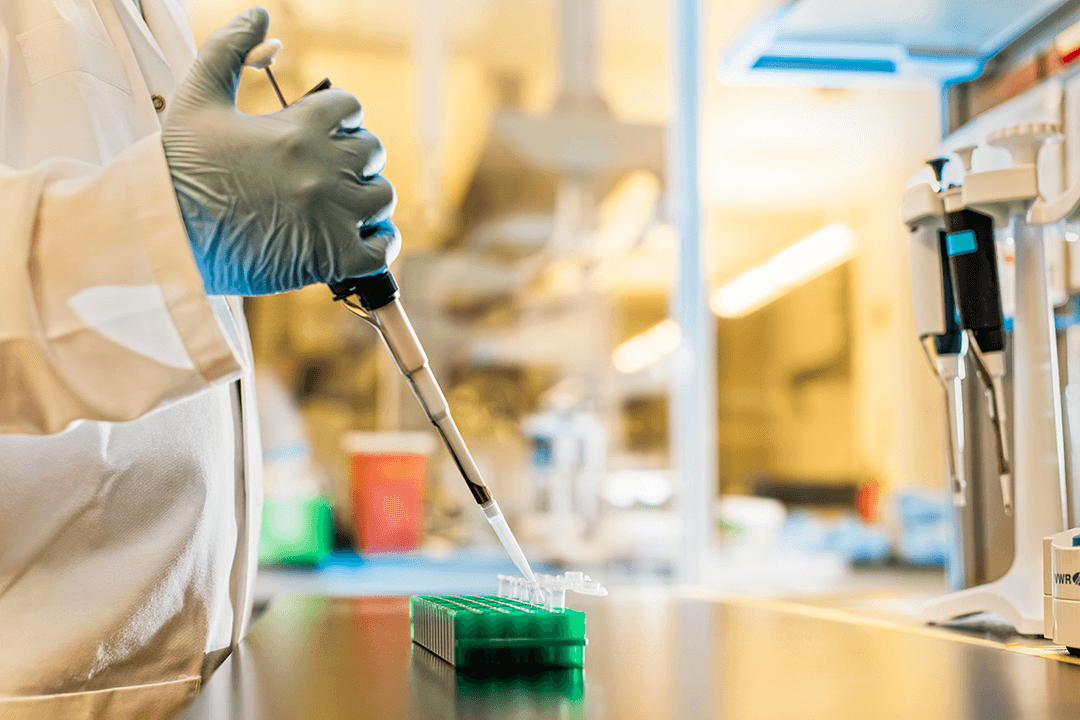
The Bioscience Core Lab provides a state-of-the-art
facility to support genomic and proteomic studies.
We offer expertise ranging from project planning,
experimental design, sample preparation,
instrumentation, sequencing / mass spectrometry
analysis, and downstream data analysis.
Coastal and Marine Resources Core Lab (CMR)
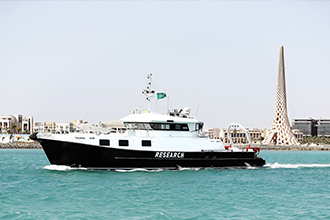
The Coastal and Marine Resources Core Lab is a
complete marine station specializing in marine
operations, oceanographic instrumentation, and wet
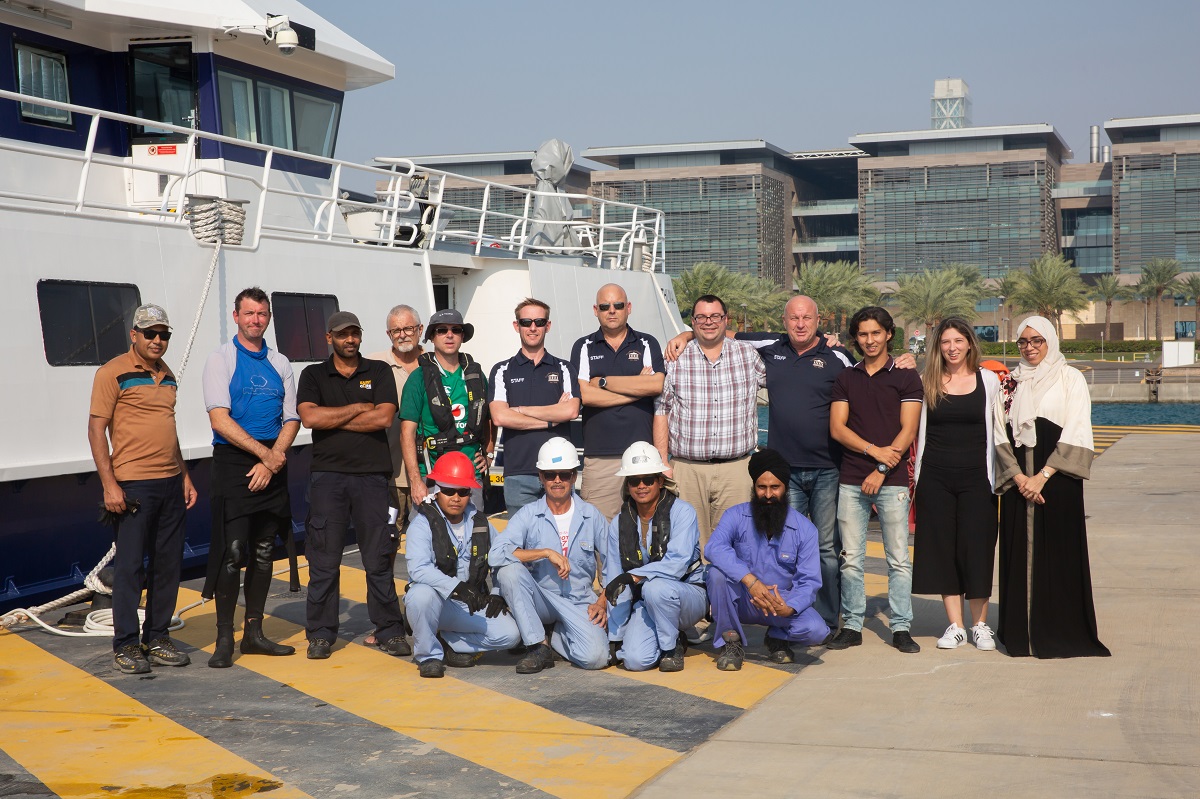
lab experimentation. It operates a fleet of boats
and Saudi Arabia's first fully-equipped research
vessel, the RV Thuwal.
Imaging and Characterization Core Lab (IAC)
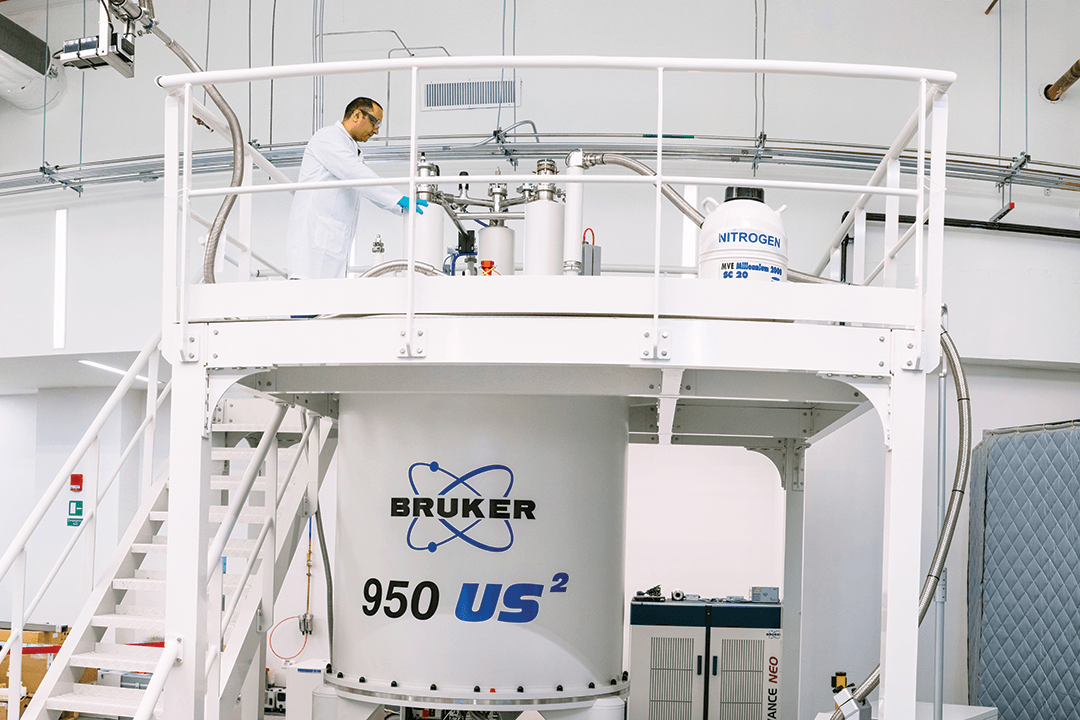
The Imaging and Characterization Core Lab houses
state-of-the-art technologies in the disciplines of
electron microscopy, nuclear magnetic resonance,
physical characterization, surface science, and
optical microscopy.
Nanofabrication Core Lab (NCL)
The Nanofabrication Core Lab providing expertise in
the fabrication and characterization of micro- and
nano-scale devices. To maintain the level of
cleanliness required by the cleanroom operations
related to fabrication of such a small-scale
structures, the requirements of specific standard
ISO 14644 are strictly observed and enforced,
special attention being directed toward actions to
avoid/minimize contamination.
Plant Growth Core Lab (PG)
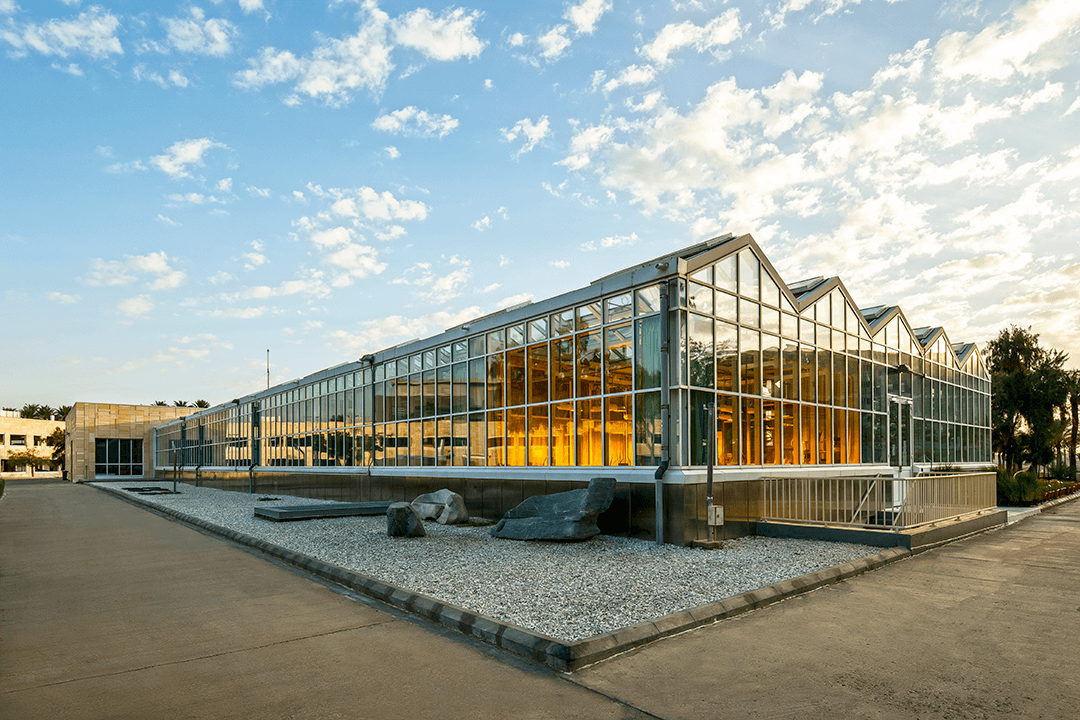
The Plant Growth Core Lab is a research-driven
facility operating at the forefront of agricultural
innovation, dedicated to plant and agricultural
based studies, including transgenic research. Our
mission is to support food and water research in
KAUST and in the Kingdom.
Prototyping and Product Development Core Lab (PCL)
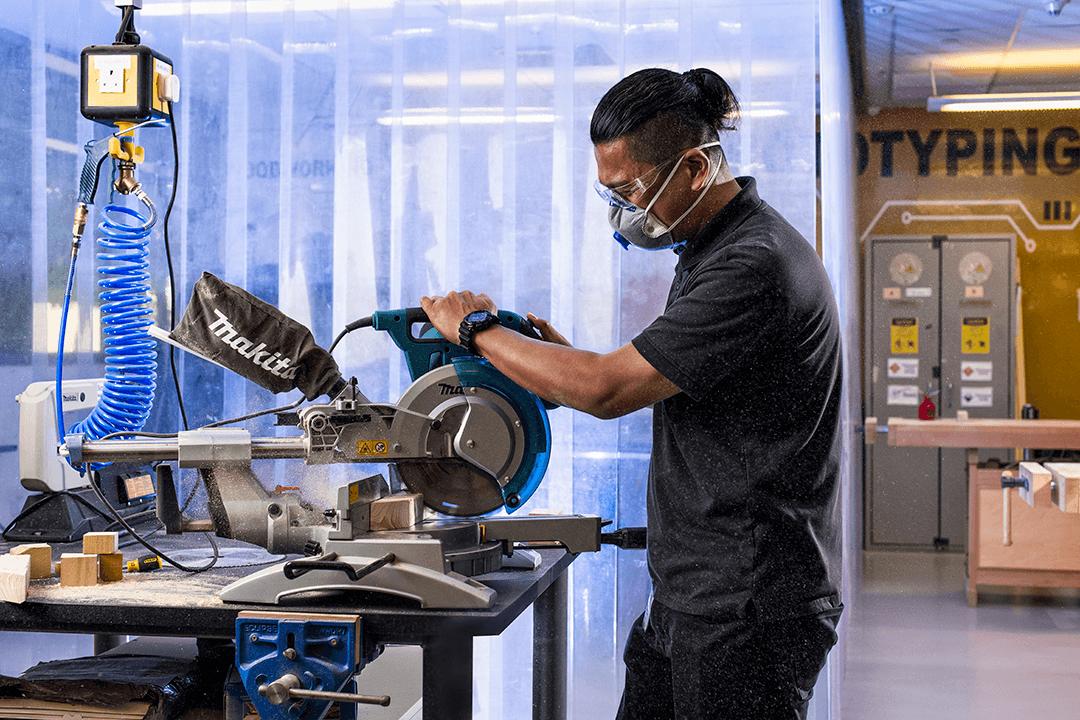
The Prototyping and Product Development Core Lab
provides well-equipped spaces to support fabrication
projects ranging from micro sized to complex product
development. We offer mentorship, apprenticeship,
training and full service expertise in computer
aided design and reverse engineering, rapid
prototyping, electronics, machining, CNC computer
aided programming, scientific glassblowing, welding,
woodworking and more.
Supercomputing Core Lab (KSL)
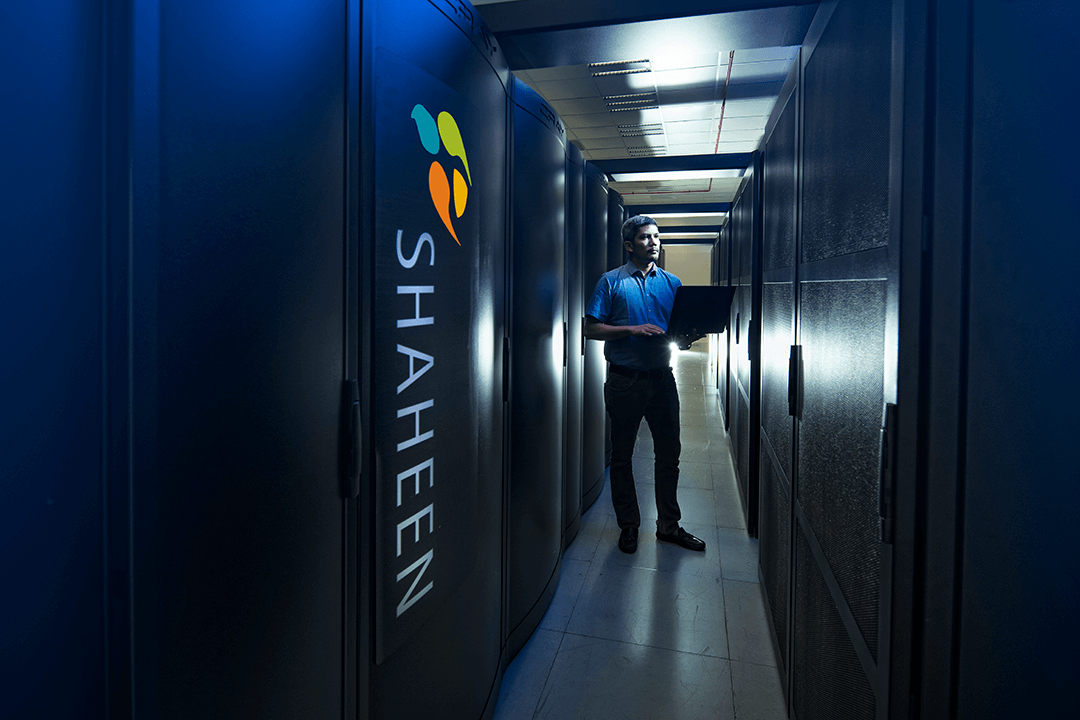
The
Supercomputing Core Lab proudly boasts the region's
top performing supercomputer, the Shaheen II Cray
XC40. We also house computing clusters for
computationally-based scientific and engineering
research.
Visualization Core Lab (KVL)
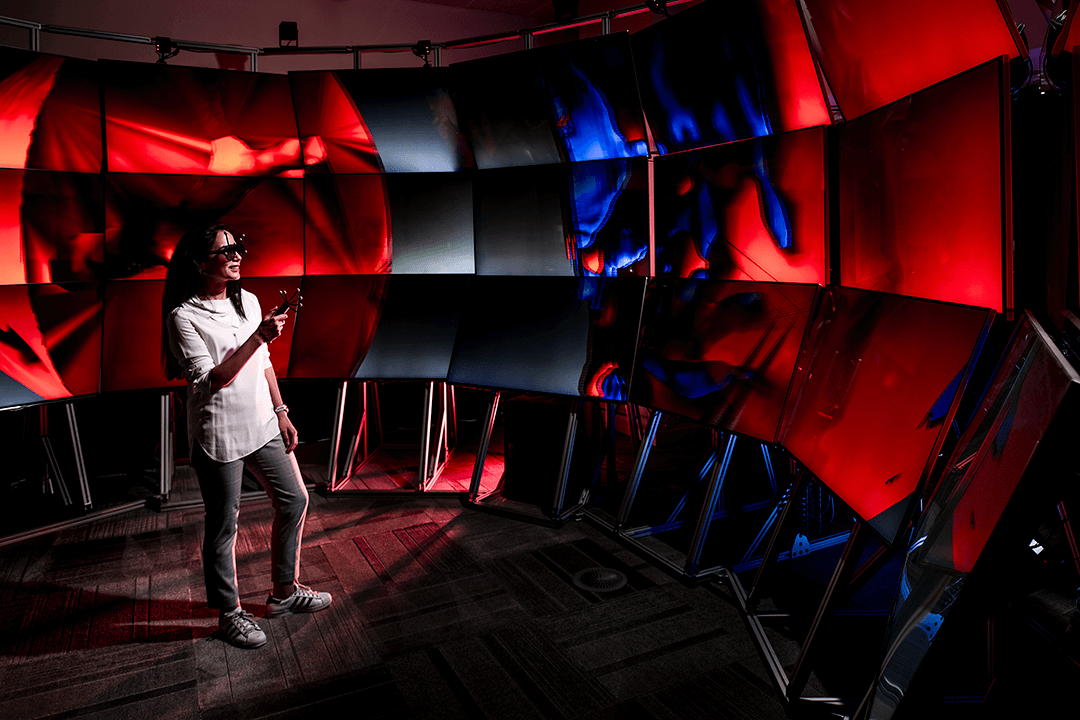
The Visualization Core Lab advances the KAUST mission
by providing cutting-edge visualization and data
science services. We collaborate with domain
researchers to accelerate discoveries through
large-data visualization, machine learning, and data
science. We also support the needs of KAUST and
in-Kingdom entities by providing access to, and
training on state-of-the-art visualization hardware
and software for scientific discovery.