Nature Index Leading Institutions
2022 - 1st in Saudi Arabia 4th in Western Asia 152nd Globally
For the Kingdom and the World

KAUST aspires to be a destination for scientific and technological education and research. By inspiring discoveries to address global challenges, we strive to serve as a beacon of knowledge that bridges people and cultures for the betterment of humanity.
Our unrelenting commitment to research, innovation and talent, has seen KAUST establish itself as one of the leading research universities in the world, with a reputation for impact-driven research that contributes to the betterment of the world. This new-era of KAUST and our new strategy builds on our many successes, achievements and strong foundations, and represents an evolution that brings us closer to the interests of the Kingdom.
We exist for the pursuit and advancement of scientific knowledge and its broad dissemination and benevolent application. Through distinctive and collaborative research integrated with graduate education, we strive to enhance the welfare of society with a special focus on four areas of global significance – food, water, energy and the environment
Since the foundation of KAUST, it has distinguished itself with its research, innovations, and faculty, to become one of the leading research universities in the world.
The new strategy builds on KAUST's scientific and academic achievements and represents a new era for the University to become a beacon of knowledge and a source of inspiration and innovation in line with Vision 2030 aspirations for the betterment of the Kingdom and the world.
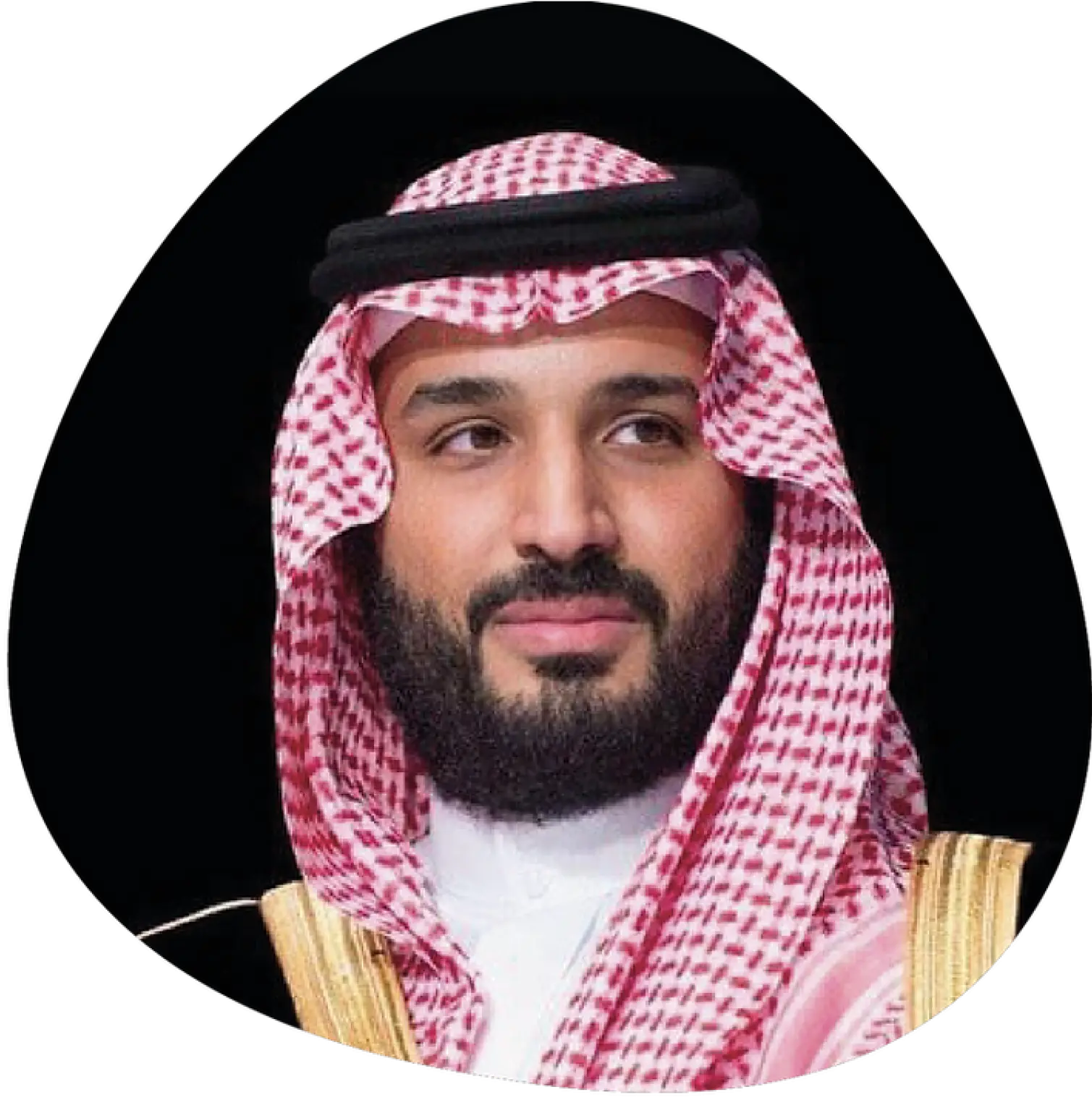
His Royal Highness Prince Mohammed bin Salman bin Abdulaziz Al Saud, Crown Prince, Prime Minister.
To accelerate our positive impact for the betterment of the Nation and the world, we will maintain the world-class research destination KAUST is known for and evolve our research model to explicitly re-focus and align with the Kingdom’s new RDI priorities.






To accelerate our positive impact for the betterment of the Nation and the world, we will maintain the world-class research destination KAUST is known for and evolve our research model to explicitly re-focus and align with the Kingdom’s new RDI priorities.

2022 - 1st in Saudi Arabia 4th in Western Asia 152nd Globally

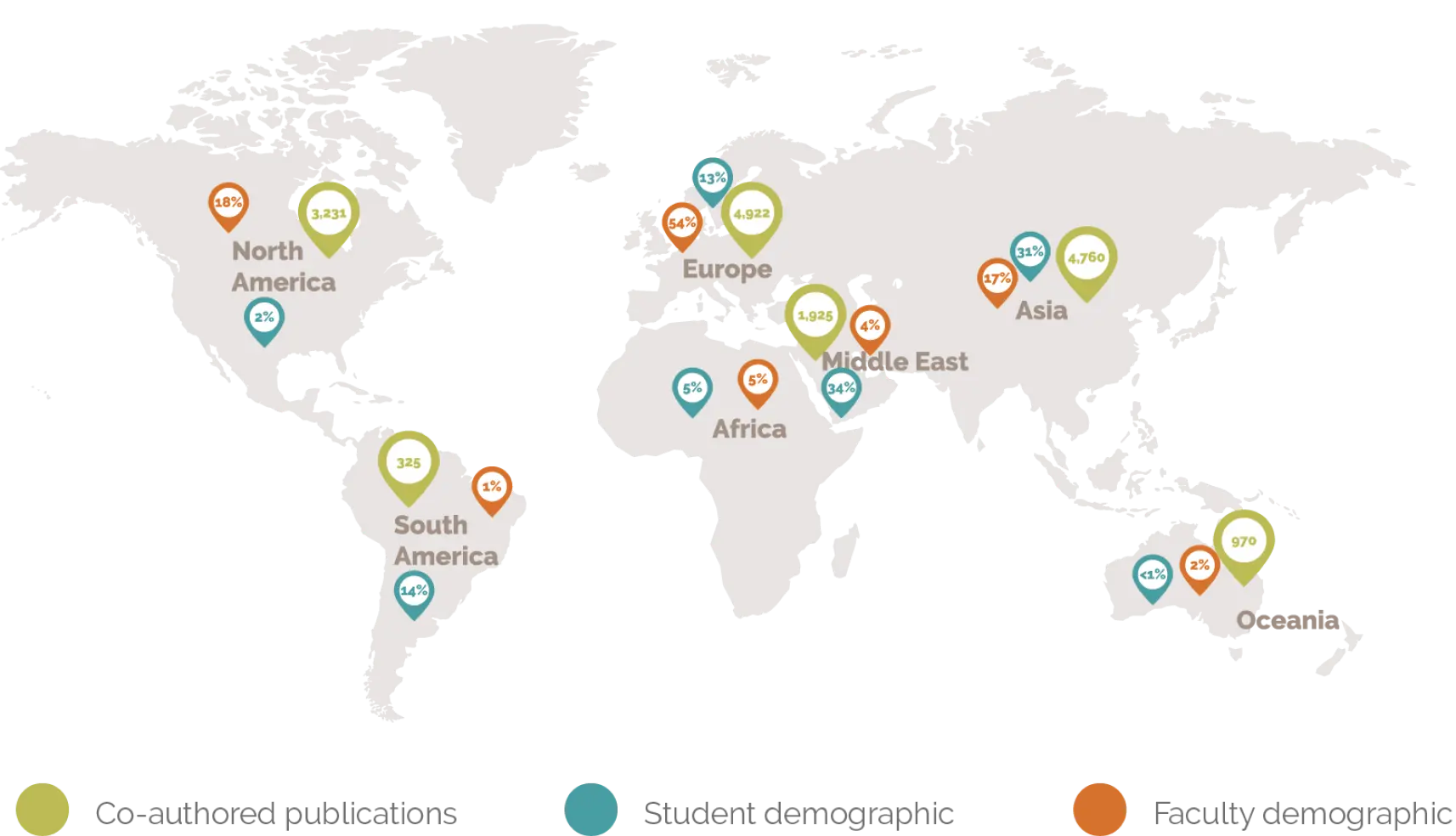
Established in 2009, King Abdullah University of Science and Technology (KAUST) is a graduate research university devoted to finding solutions for some of the most pressing scientific and technological challenges in the world as well as Saudi Arabia in the areas of food and health, water, energy, environment and the digital domain. KAUST is a curiosity-driven, interdisciplinary problem-solving environment, with state-of-the-art labs, distinguished faculty and talented students.
KAUST brings together the best minds from around the world to advance research. More than 120 different nationalities live, work and study on campus. KAUST is also a catalyst for innovation, economic development and social prosperity, with research resulting in novel patents and products, enterprising startups, regional and global initiatives, and collaboration with other academic institutions, industries and Saudi agencies.


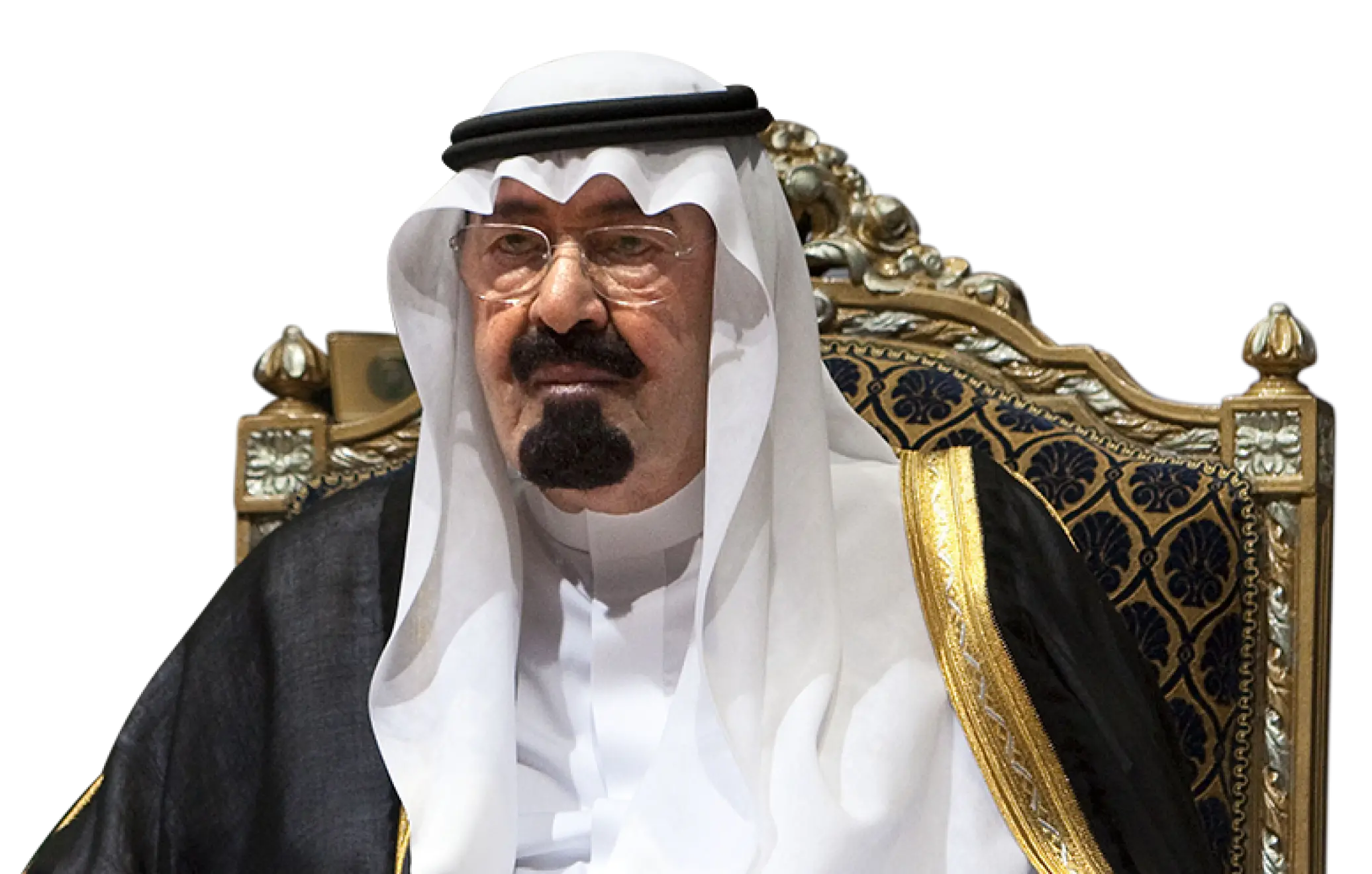
“The University shall be a beacon for peace, hope, and reconciliation and shall serve the people of the Kingdom and benefit all the peoples of the world.”
The MOSTI Museum celebrates the contributions of Muslim scholars to science and technology during the first Golden Age of Islam from 650 to 1650.
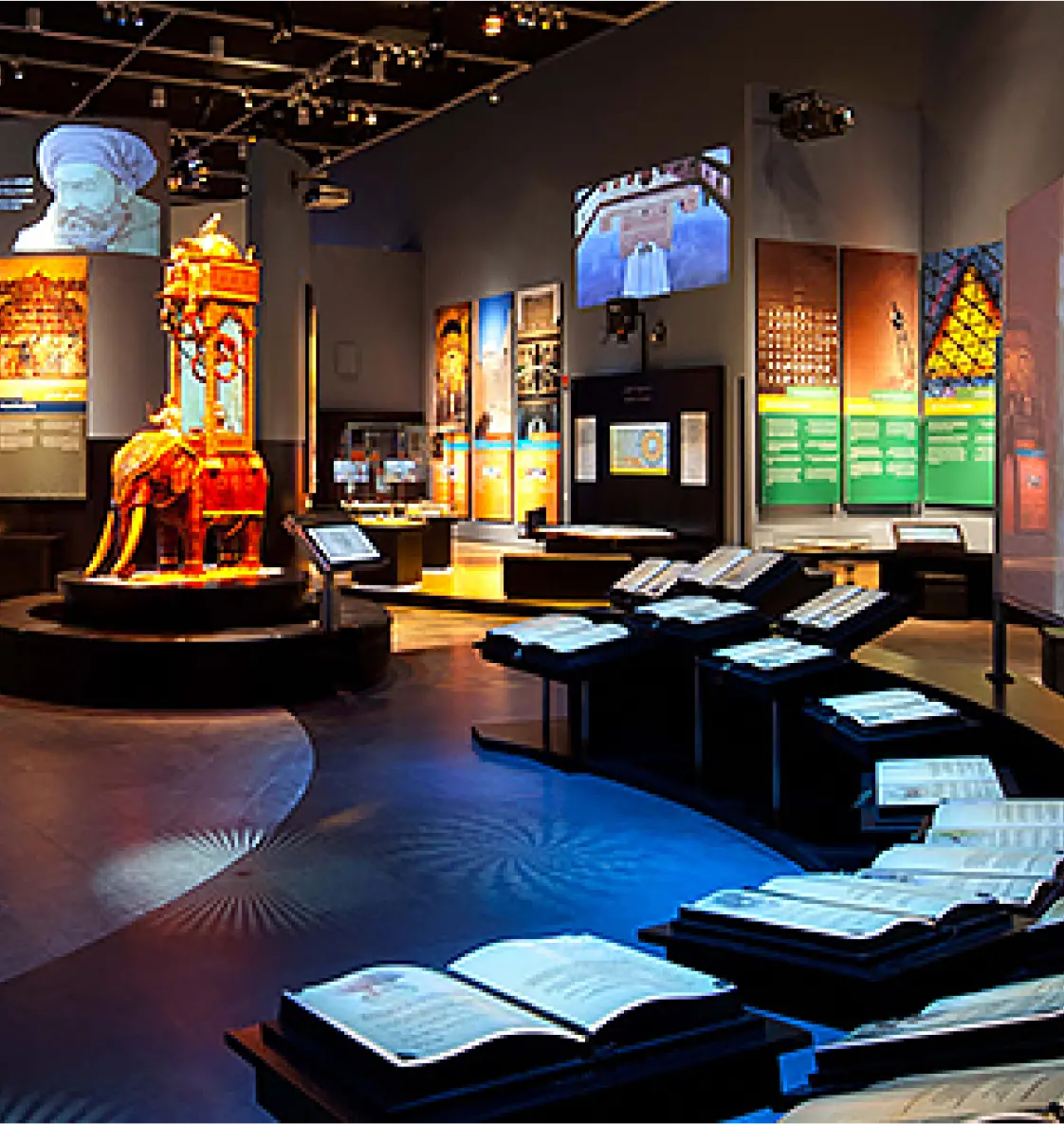
The MOSTI Museum celebrates the contributions of Muslim scholars to science and technology during the first Golden Age of Islam from 650 to 1650.