
KAUST Research Conference:
Advances in Date Palm Biotechnology
ABOUT THE CONFERENCE
Date palms are a cornerstone of food security, culture, and economy in the Middle East and beyond, yet scientific innovation in this crop has lagged behind other major species. With rising challenges from climate change, pests, diseases, and the need for higher yields, advancing date palm biotechnology is essential for sustainable agriculture in arid regions. To address this, KAUST is hosting the KAUST Research Conference on Advances in Date Palm Biotechnology from November 30–December 02 2026 on the KAUST campus in Thuwal, KSA.
This focused conference will bring together leading international scientists and early-career researchers to share cutting-edge research on genomics, breeding, physiology, pest management, and precision agriculture. Roundtable discussions will explore strategies for building a global research consortium and defining future priorities for date palm science.
The conference is sponsored by the Office of Research Administration (ORA) at KAUST.
ABSTRACT SUBMISSION
Registration does not guarantee acceptance, as spaces are limited. You will be notified if your abstract is accepted.
Submission deadline is October 1, 2026.
DRAFT AGENDA
Day 1 – Opening & Scientific Sessions
08:30 – 09:00
09:00 – 09:30
Session 1: Agronomy, Harvesting, and Precision Management
09:30-10:00
10:00-10:30
10:30 – 11:00
11:00 – 11:30
11:30 – 13:30
13:30 – 14:30
Session 2: Developmental Biology and Physiology
14:30– 15:00
15:00 – 15:30
15:30 – 16:00
16:00 – 16:30
16:30 – 1700
17:00 – 19:00
Day 2 – Scientific Sessions & Collaboration Building
Session 3: Pests, Diseases, and Plant Immunity
09:00-09:30
09:30-10:00
10:00-10:30
10:30 – 11:00
11:00 – 11:30
11:30 – 12:00
12:00 – 13:30
Session 4: Genomics and Breeding for Climate Resilience and Productivity
13:30– 14:00
14:00 – 14:30
14:30 – 15:00
15:00 – 15:30
15:30 – 16:00
16:00 – 16:30
16:30 – 17:00
17:00 – 18:30
Day 3 – Closing Session & Future Outlook
Session 5: Advancements in Tissue Culture and Genome Editing
09:00-09:30
09:30-10:00
10:00-10:30
10:30 – 11:00
11:00 – 11:30
11:30 – 13:00
SPEAKERS
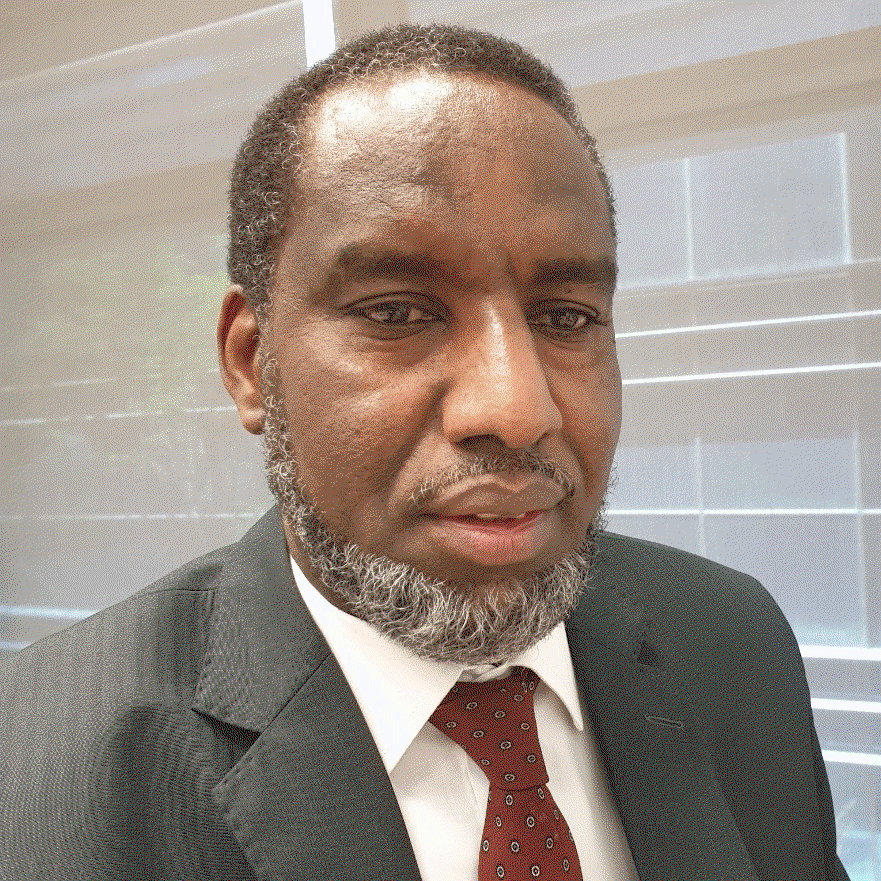
Prof. Babiker Abdel-Banat
Associate Professor Date Palm Research Center of Excellence
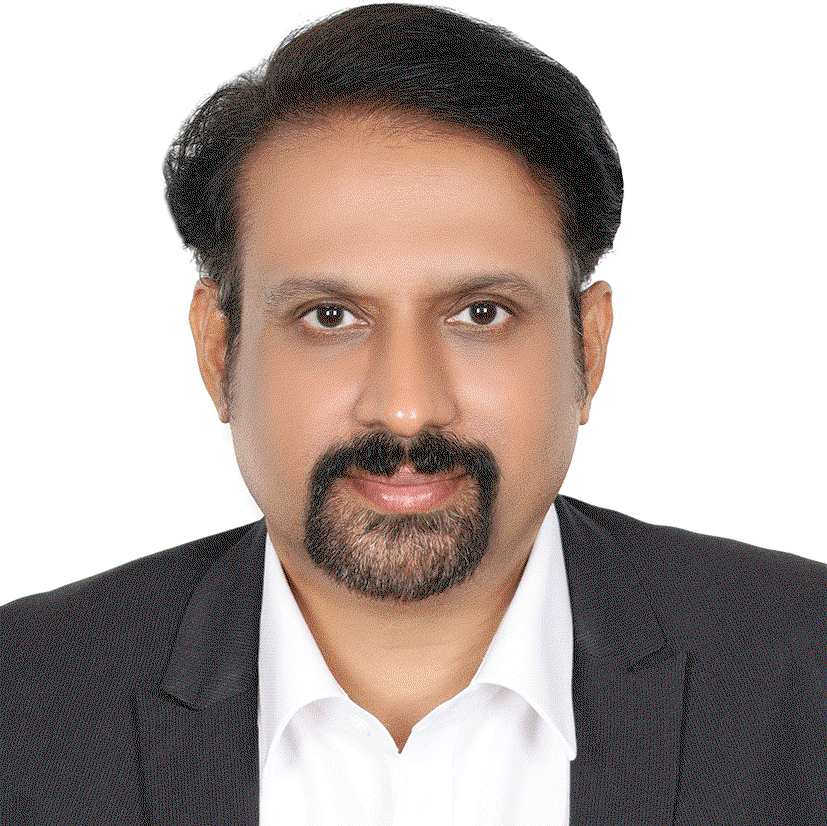
Prof. Binu Antony
Associate Professor of Insect Molecular Biology ( Khalifa Center for Genetic Engineering & Biotechnology)
Prof. Joel Malek
Associate Professor of Genetic Medicine ( Weill Cornell Medicine )
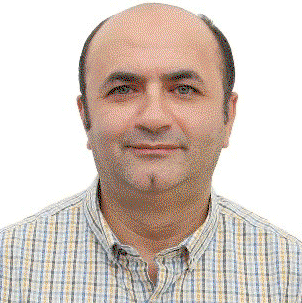
Prof. Mahmoud W. Yaish
Professor of Biology (Sultan Qaboos University)
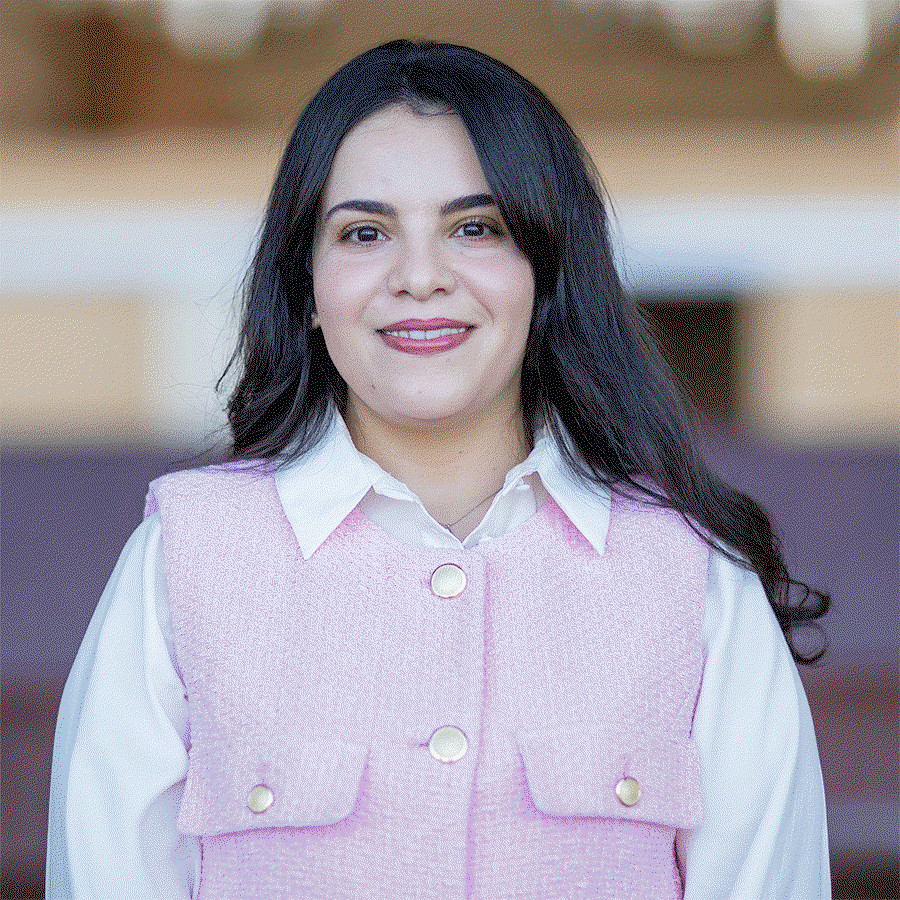
Mariem Nsibi
Postdoc (KAUST)
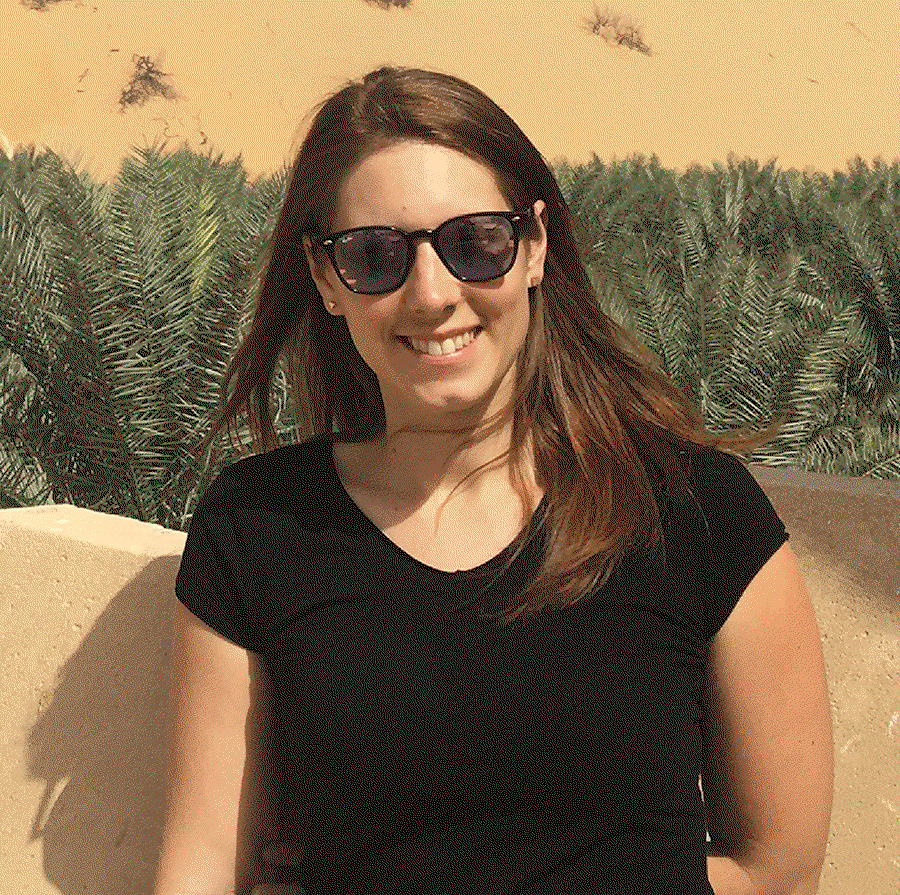
Prof. Muriel Gros-Balthazard
Research Scientist (French National Research Institute for Sustainable Development)
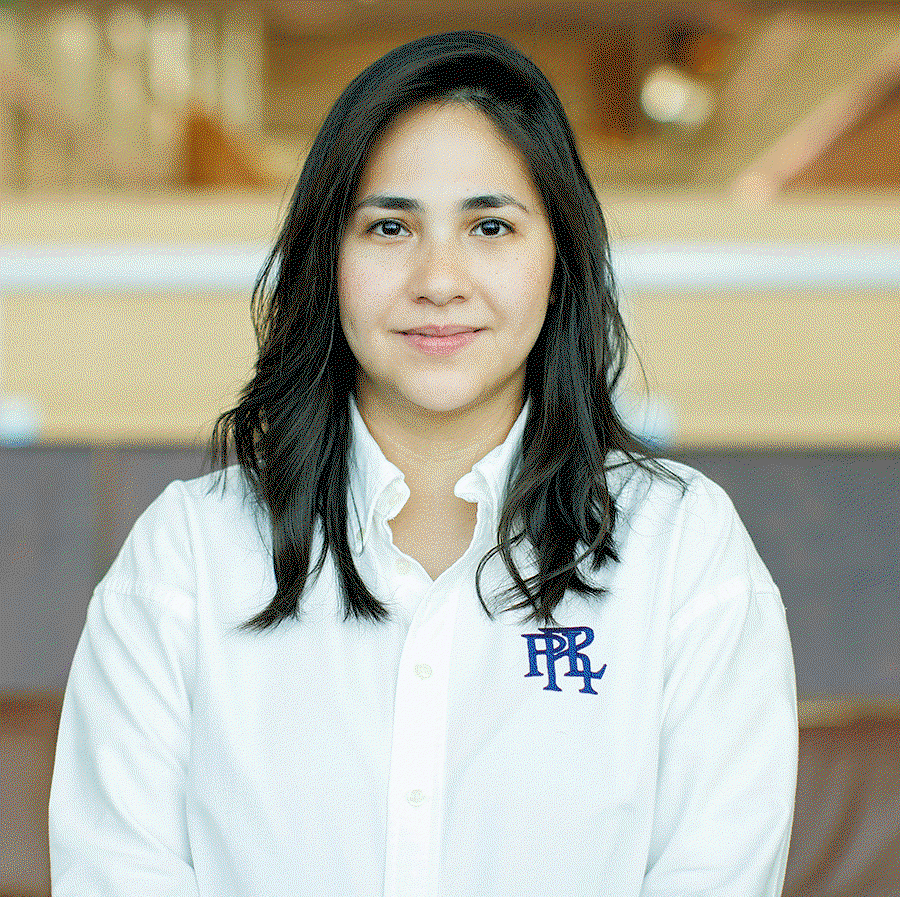
Nahed Mohammed
Research Scientist KAUST
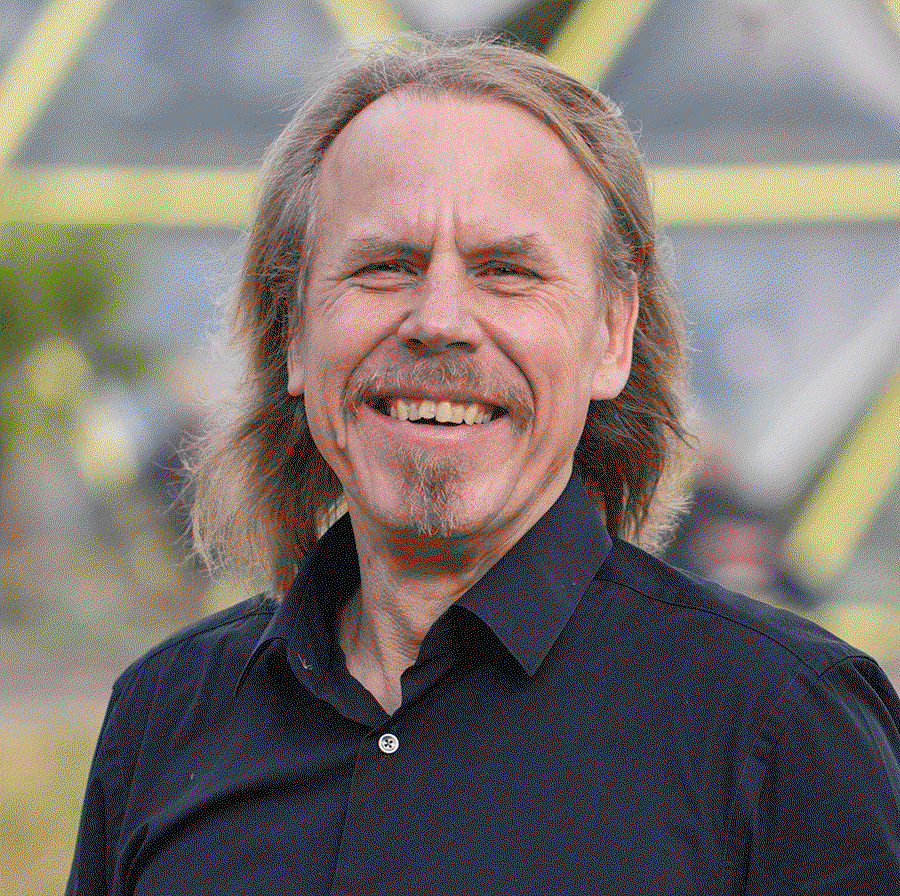
Prof. Rüdiger Simon
Professor for Developmental Genetics (Heinrich-Heine University)
Prof. Adam Kleczkowski
University of Strathclyde
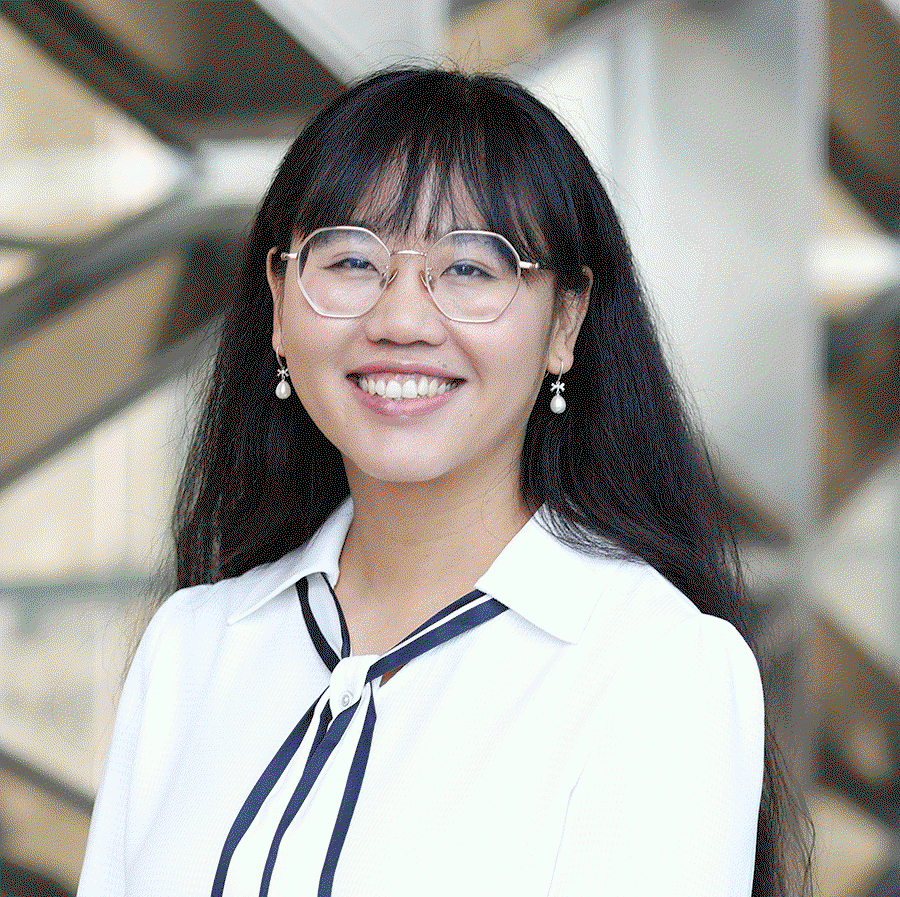
Ting Li
Postdoc (KAUST)
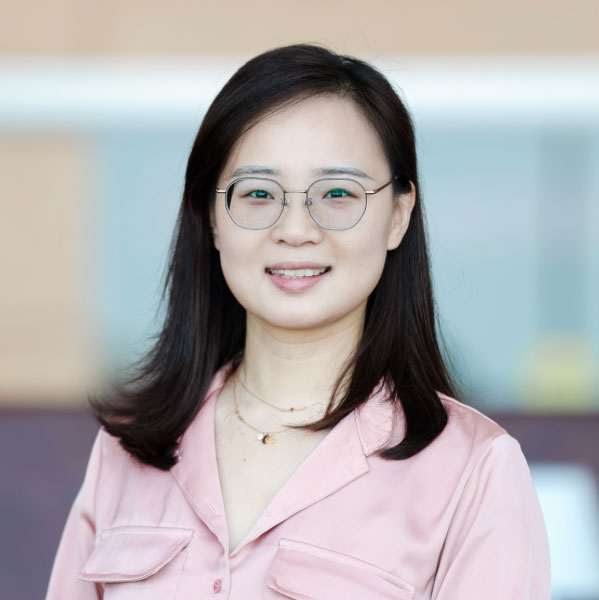
Yasha Zhang
Phd Student (KAUST)
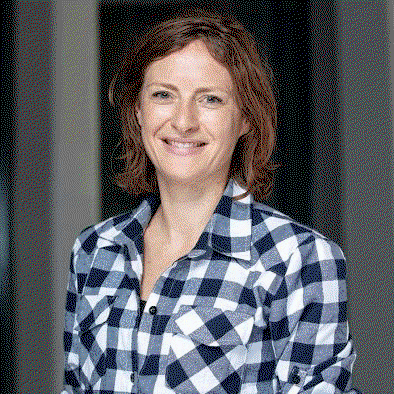
Dr Amandine Cornille
Associate Professor of Biology and Group Leader at New York University Abu Dhabi
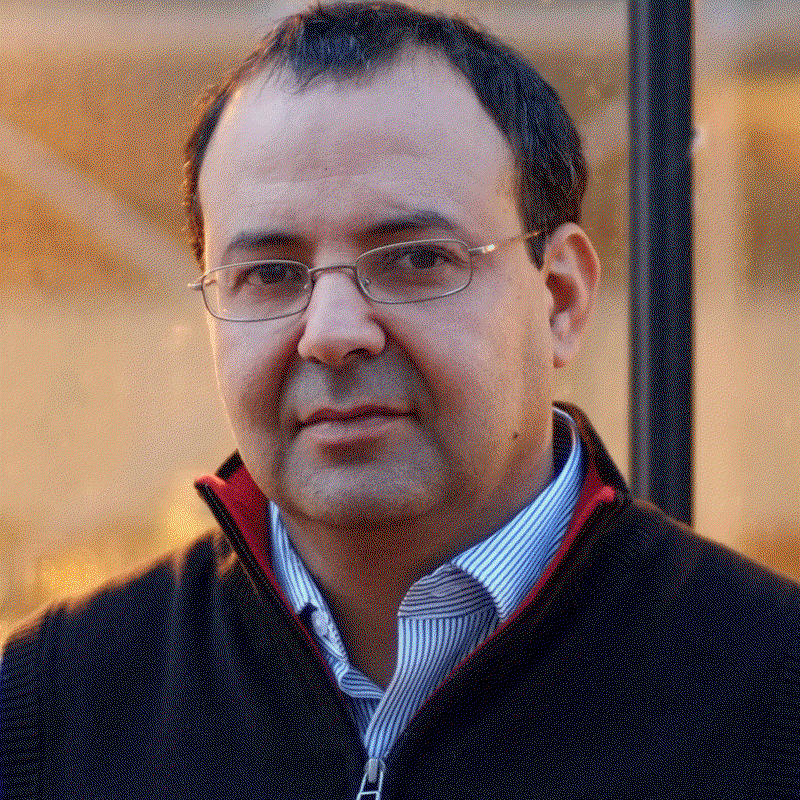
Dr Abdelhafid
Bendahmane
Research Director at French National Institute for Agriculture, Food and Environment (INRAE)
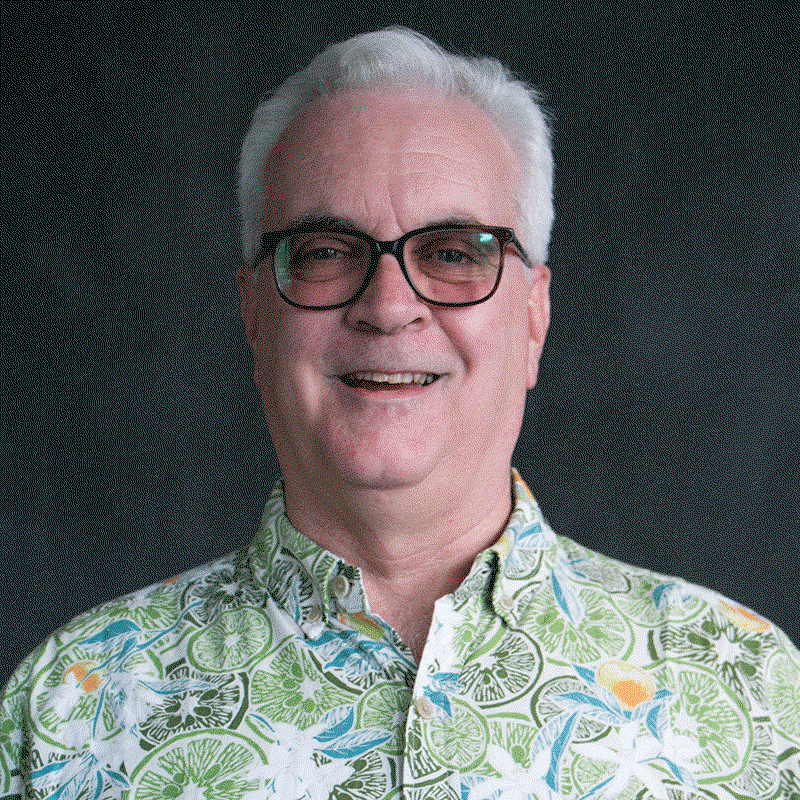
Dr Glenn C. Wright
Associate Professor and Extension Specialist for Fruit Crops, University of Arizona
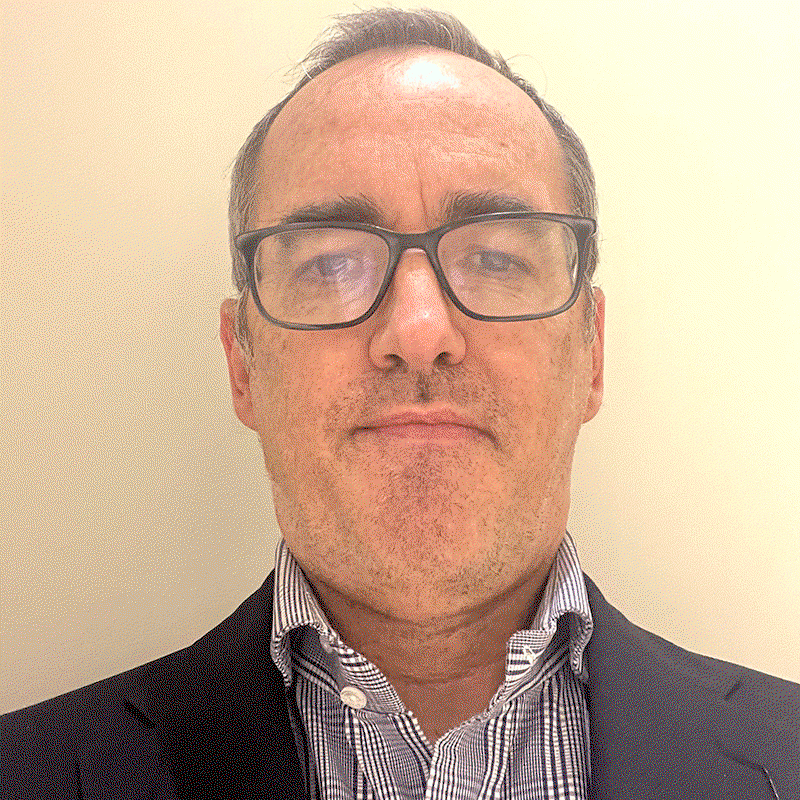
Dr Jonathan M. Flowers
Research Assistant Professor, New York University Abu Dhabi and NYU New York
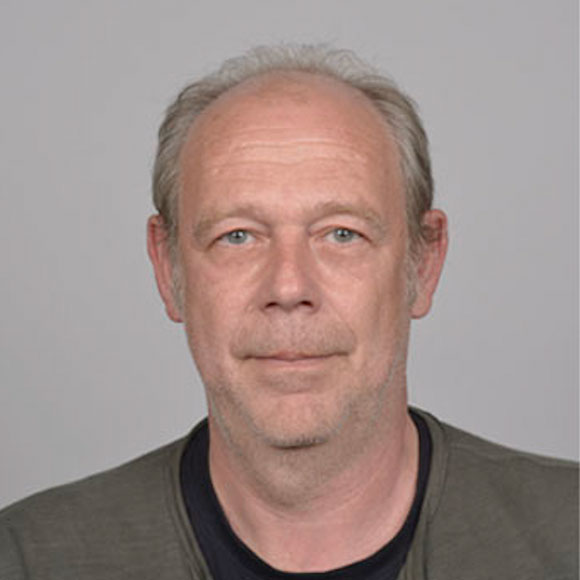
Dr Friedrich Kragler
Max-Planck-Institute of Molecular Plant Physiology, Germany
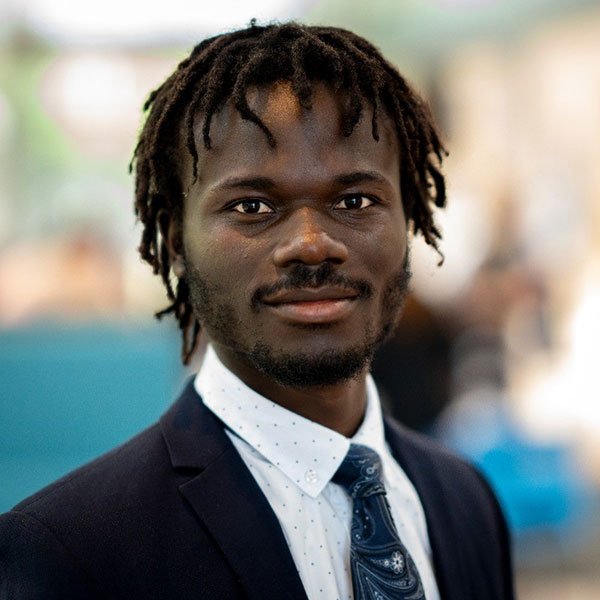
Prof. Edward Idun Amoah
ORGANIZERS

PLAN YOUR VISIT
To help you prepare for your upcoming visit, we encourage you to review the key information and travel advice below.
Before travelling, please check the latest travel guidelines from your country’s embassy and consult your primary care provider about vaccinations or other health preparations.
King Abdullah University of Science & Technology
4700 King Abdullah University of Science and Technology
Thuwal 23955-6900
Kingdom of Saudi Arabia
We cannot accept responsibility for visa applications. If a delegate is unable to attend due to visa issues, our usual cancellation policy will apply. We recommend obtaining travel insurance for the duration of your visit.
GCC citizens
Do not need a visa. Passport must be valid for at least six months after your planned entry date.
eVisa
Available to many countries in Europe, North America, Oceania, and parts of Asia.
By plane
Fly into King Abdulaziz International Airport in Jeddah (approx. 1-hour drive).
- Email: HancoTransport@kaust.edu.sa, Tel: 012 808 5647
- Email: saptco.taxi@kaust.edu.sa, Tel: 012 808 5616
By car
Use the KAUST Visitor Center Parking with prior approval
Without car access, use Visitor Centre (Gate 1).
*Note that Uber does not operate within KAUST campus, but can drop you off at the entrance gate.
Delegates are responsible for booking and paying for their accommodation. Recommended hotels:
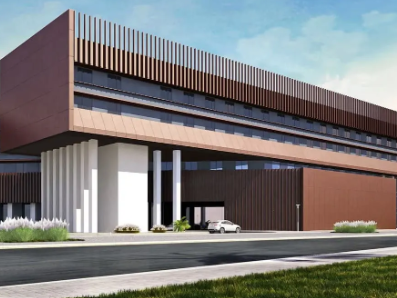
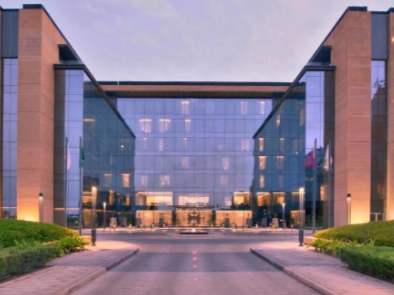
Al Khozama Hotel Al Khozama Hotel & Residences
Boulevard, 7729 Bayt Al Hikma Blvd, Thuwal
5-min walk from KAUST

- Dress code: Conservative. Business or business casual. No abaya/headscarf required.
- Language: Arabic (official); English widely spoken.
- Weather: Around 35°C. Bring sunscreen, sunglasses, and a light jumper for indoors.
- Currency: Saudi Riyal (SAR). Credit cards widely accepted. ATMs available.
- Power sockets: Type G & C, 230V / 60Hz. Bring a universal adapter.
- Wi-Fi: Free Wi-Fi across KAUST campus.
- Water: Safe to drink from fountains. Tap water not recommended.
- Alcohol: Strictly prohibited.
More travel info: Visit Saudi
- Keep valuables out of sight
- Use reliable transport
- Travel with others, especially at night
- Stay alert in crowded public areas
- Shield your PIN when using ATMs
Emergency services: If you are within the KAUST campus and are in need of emergency services, call 911. For a full list of emergency numbers, visit this link HERE.
KAUST Centers of Excellence
KAUST Launches Four Pioneering Centers of Excellence to Address Key National and International Priorities
KAUST CORE LABS
KAUST hosts a wide range of sophisticated instruments and world-class facilities that students can access, including the Prototyping and Product Development Core Lab, and laboratories involving robotics and embedded systems, sensors, intelligent autonomous systems and biotechnology. Specific labs will be identified based on the curriculum and individual projects.
ABOUT KAUST
Established in 2009, King Abdullah University of Science and Technology (KAUST) is a graduate research university dedicated to addressing major scientific and technological challenges. It is recognized globally for excellence, ranked #1 worldwide in citations per faculty, #1 in Saudi Arabia and #1 in the Times Higher Education Arab University Rankings for both 2023 and 2024, and #4 in Western Asia according to Nature Index 2022. With a community representing over 120 nationalities, KAUST fosters international collaboration and advances research in health, environment, energy, and digital technologies, serving as a leading global center of knowledge. The university is ranked #112 globally, has achieved 17 years of excellence, and maintains Top-20 supercomputing performance.
CONTACT US
King Abdullah University of Science and Technology (KAUST)
4700 King Abdullah University of Science and Technology
Thuwal 23955-6900
Kingdom of Saudi Arabia
Follow us on Social media: